


Exhibition theme
Craft, ritual, dress, music and material culture are connected only through the current governed metadata.

Digital exhibition
Explore material knowledge, craft, ritual and cultural memory through governed open-access museum records.
Begin the exhibitionCuratorial introduction
This digital exhibition brings together factual museum records whose materials, techniques and documented uses support close looking across living-heritage themes.
— WICHF Research & Curatorial DepartmentCraft, ritual, dress, music and material culture are connected only through the current governed metadata.
4 open-access collection sources provide the published objects in this exhibition.
Each object retains its museum source, rights statement and link to the official collection record.
Exhibition sequence
Gallery 01
60 works
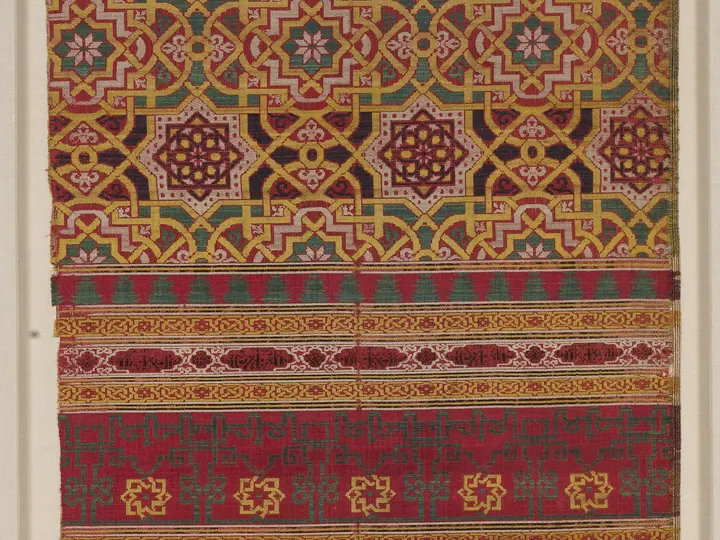
14th century
The Metropolitan Museum of Art
A fourteenth-century silk lampas fragment whose bright bands and interlaced inscriptions show the technical richness of late medieval textile weaving in Iberian Islamic contexts.
View object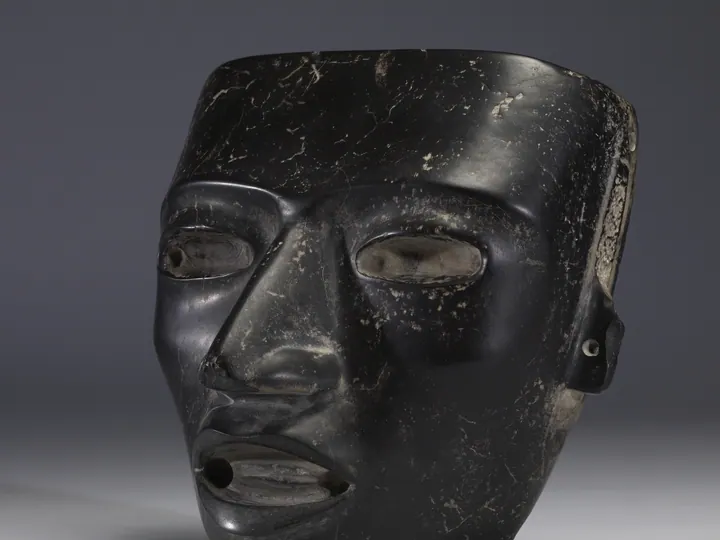
AD 250-600 (Early Classic)
The Walters Art Museum
A limestone face plaque from Teotihuacán. Drill holes and inlay settings suggest attachment to an effigy or funerary bundle rather than live wear.
View object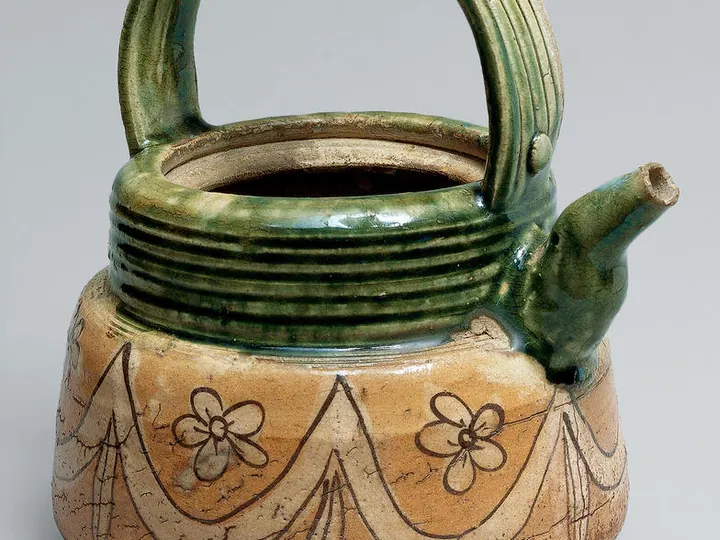
Early 17th century
The Metropolitan Museum of Art
Mino ware ewer with decorations typical of Japanese ceramic tradition.
View object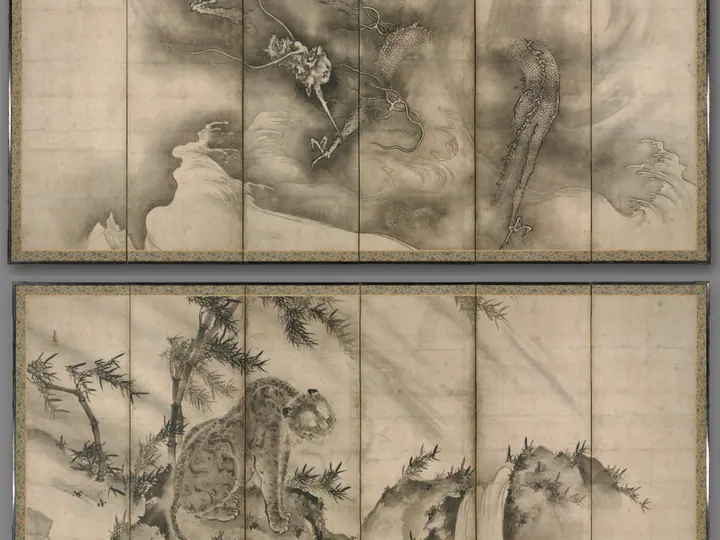
c. 1546–56
The Cleveland Museum of Art
A pair of Japanese folding screens in ink on paper, included here as a contextual work linking painted imagery, animal symbolism, and ritual imagination.
View object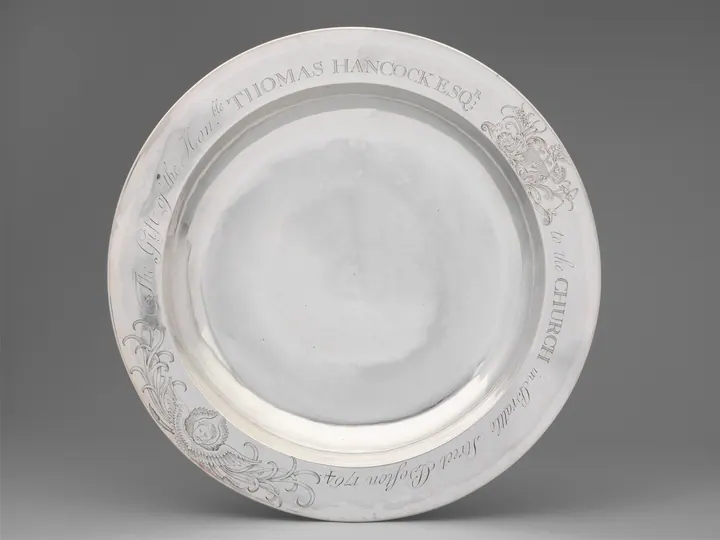
1672–1673
The Metropolitan Museum of Art
Silver communion dish used in church rituals.
View object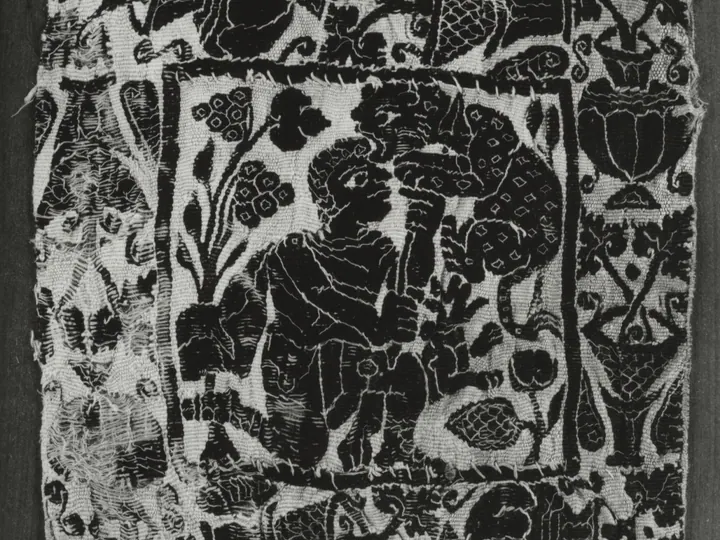
4th-5th century (Early Byzantine)
The Walters Art Museum
An early Byzantine textile ornament from Egypt. Hunt imagery and woven ornament link dress, decoration, and symbolic motifs in a small format.
View object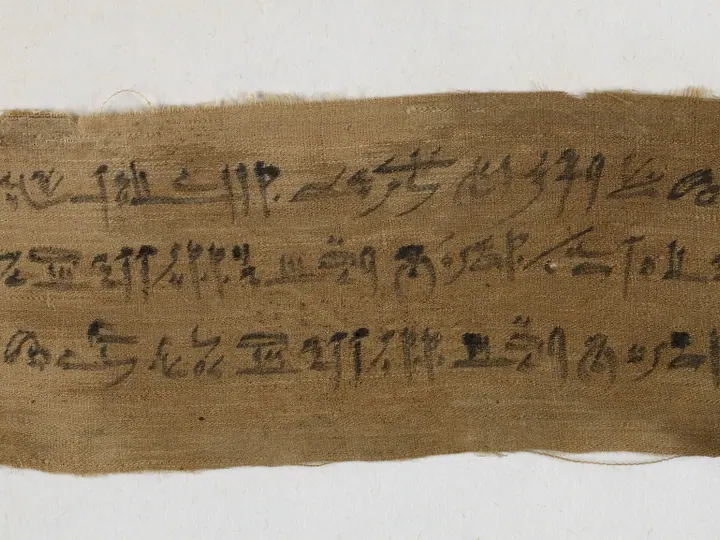
ca. 399-343 BCE (Late Period, 29th-30th dynasty)
The Walters Art Museum
An inscribed linen bandage from Late Period Egypt. Its material and text connect textile production with funerary ritual and protective belief.
View object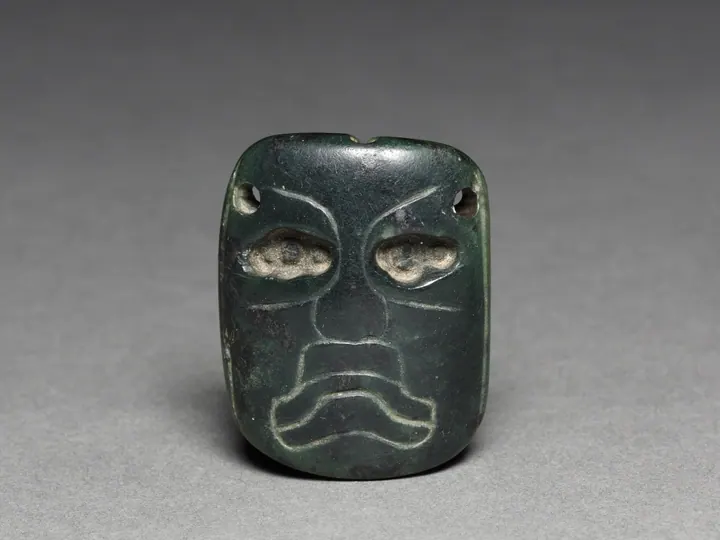
c. 900–400 BCE
The Cleveland Museum of Art
Olmec jade mask associated with ritual contexts.
View object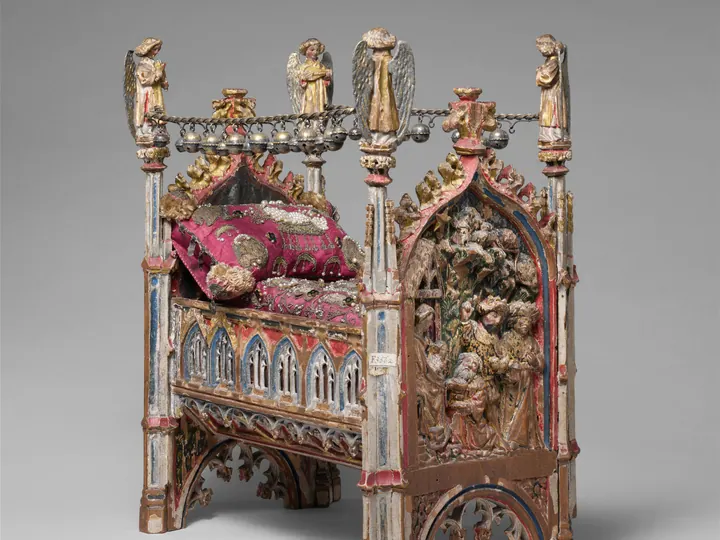
15th century
The Metropolitan Museum of Art
A fifteenth-century devotional cradle whose carving, embroidery, enamels, and miniature scale bring domestic piety into material form.
View object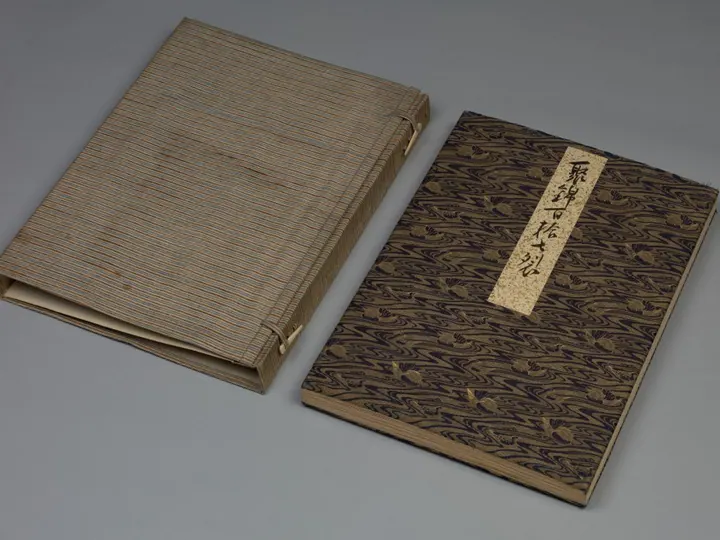
1790
The Cleveland Museum of Art
A Japanese album of silk textile samples dated 1790. As a portable group of materials, it preserves pattern reference and making knowledge together.
View object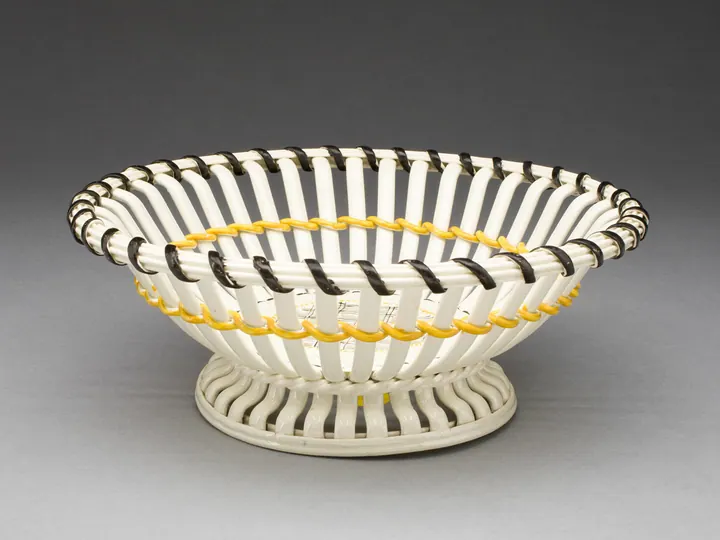
19th century
The Art Institute of Chicago
Public domain basket from AIC representing Native weaving.
View object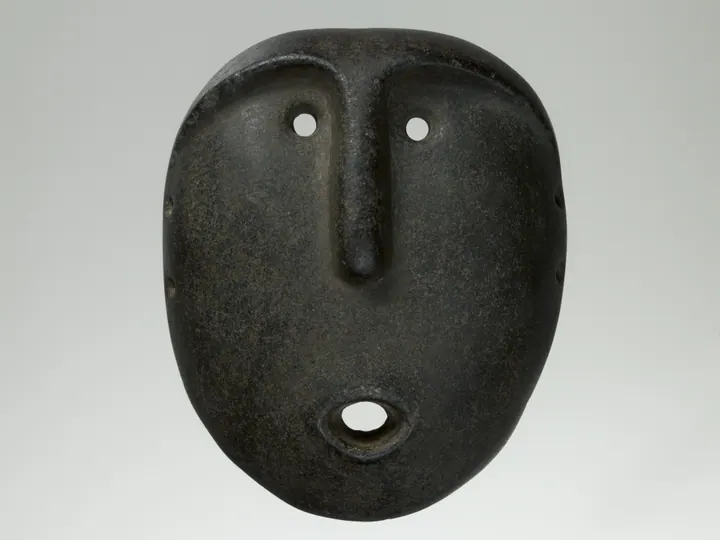
400 BCE–500 CE
The Metropolitan Museum of Art
Pre-Columbian stone mask used in ancient ceremonies.
View object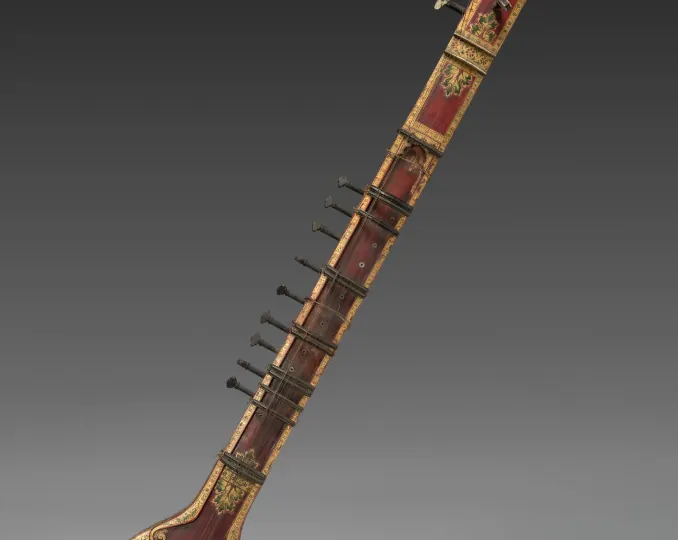
c. 1850
The Cleveland Museum of Art
A South Asian plucked string instrument associated with court music and devotional performance.
View object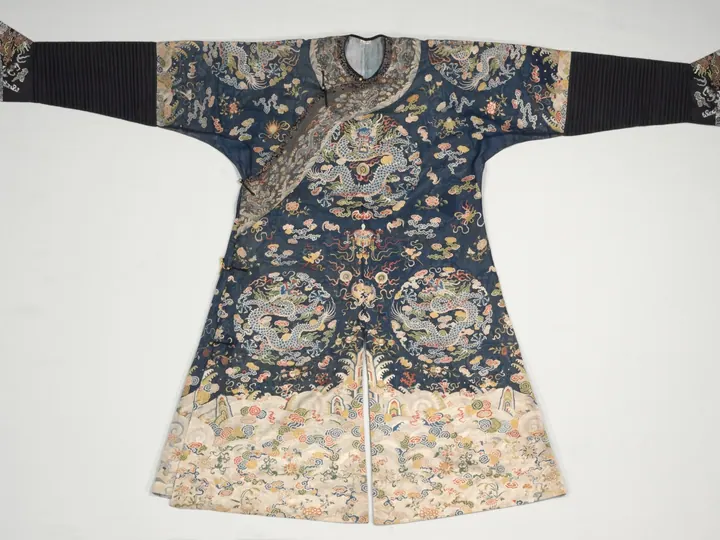
late 18th to early 19th century
The Cleveland Museum of Art
A robe worn by a Qing official, using silk and embroidery to express rank and status.
View object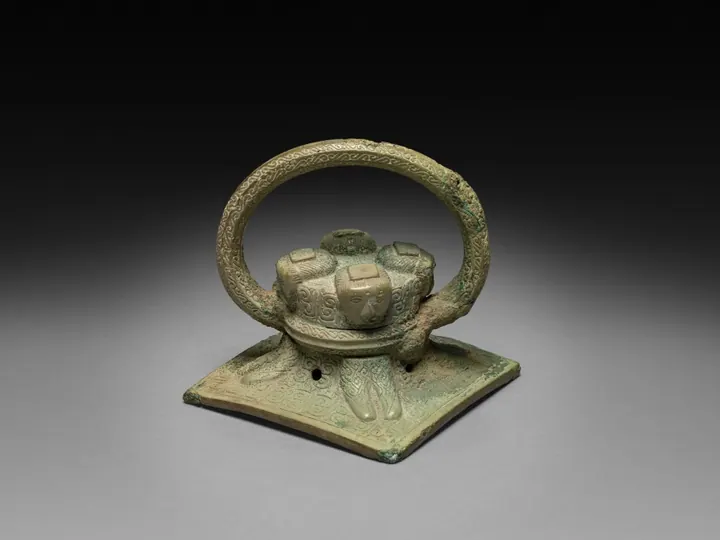
c. 770-475 BCE
The Cleveland Museum of Art
A bronze handle from a jiangu drum, made to suspend an ancient ritual instrument.
View object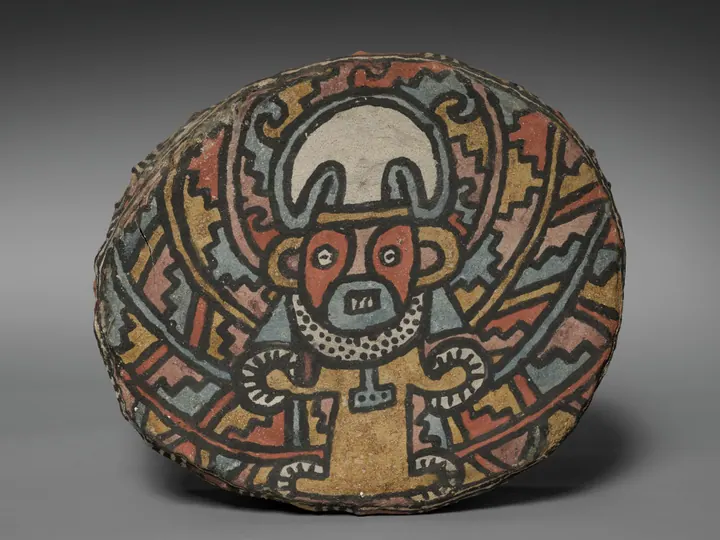
500-1000 CE
The Cleveland Museum of Art
A painted drum from the Andes, probably used in ritual performance and possibly associated with women players.
View object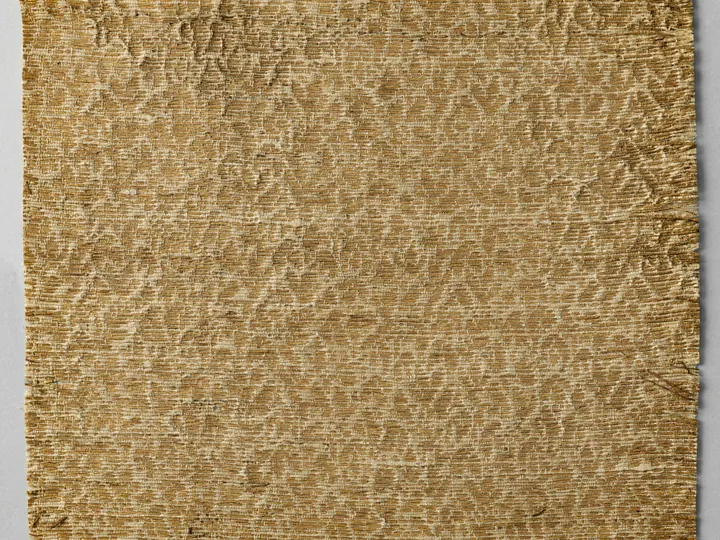
1275–1350
The Cleveland Museum of Art
A silk textile fragment from Central Asia, woven with gold-thread leaves during the Il-khanid period. It preserves a refined example of courtly weaving practice.
View object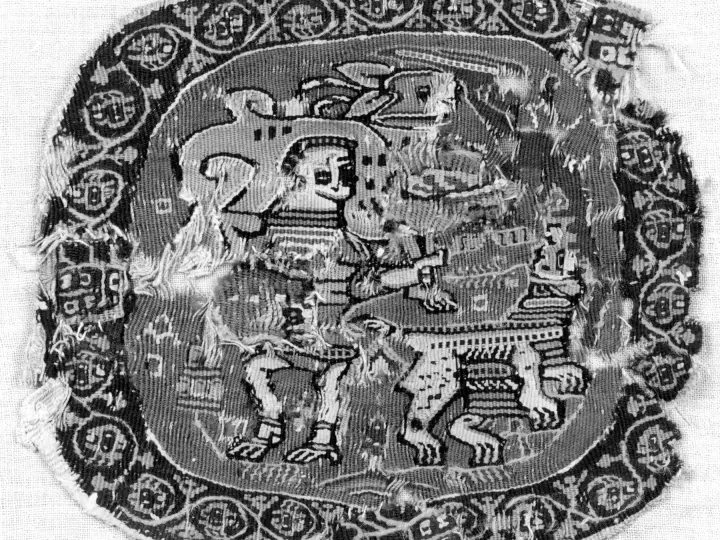
5th–8th century (Late Antique)
The Walters Art Museum
A Coptic tapestry fragment from Egypt, woven in wool and linen. Its figured design and border preserve late antique textile practice in compact form.
View object
18th century
The Metropolitan Museum of Art
An eighteenth-century German sampler that condenses household training, needle technique, and moral instruction into a single textile surface.
View object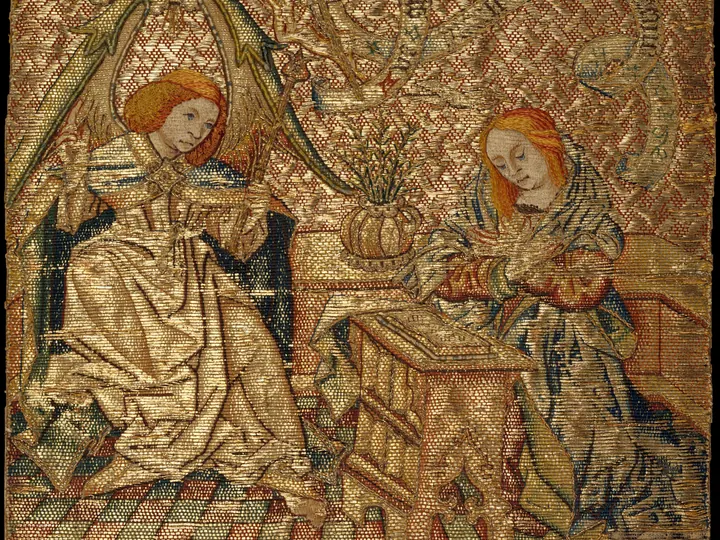
mid-15th century
The Metropolitan Museum of Art
A mid-fifteenth-century Netherlandish embroidery that translates the Annunciation into shimmering threadwork and textile surface.
View object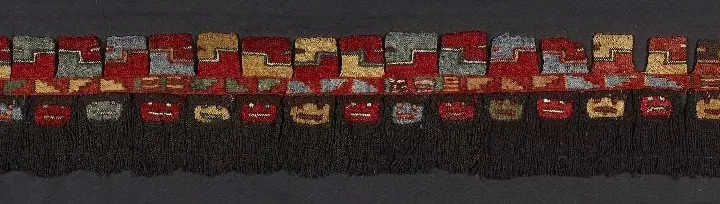
100-200 CE
The Walters Art Museum
A Nazca textile border with three-dimensional figures and stem-stitch embroidery. It concentrates technical invention along the edge of a garment or hanging.
View object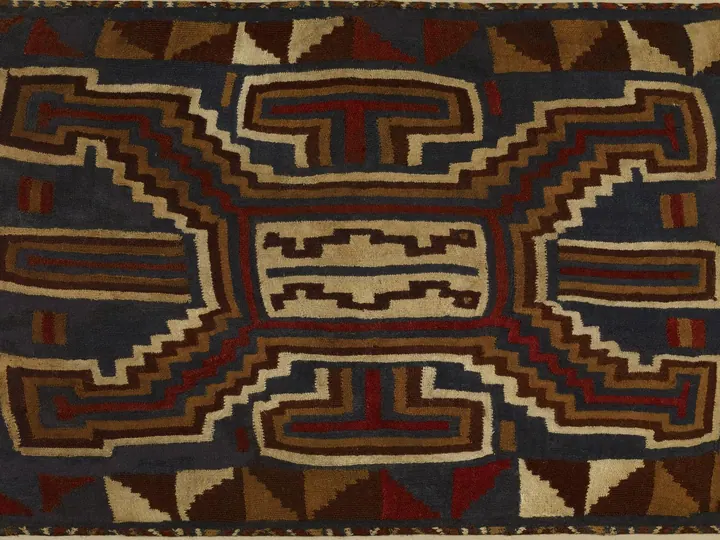
100 BCE-300 CE
The Walters Art Museum
A Sihuas textile panel from Peru made in camelid fibers. Its abstract deity and geometric format show Andean weaving as a carrier of symbolic knowledge.
View object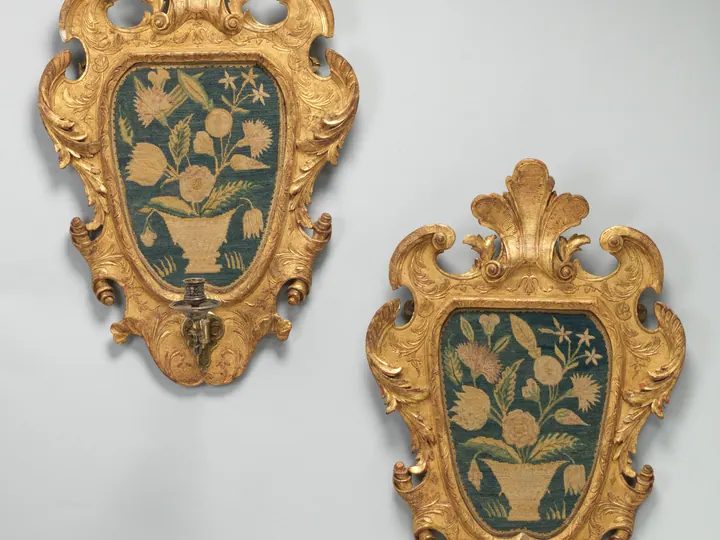
ca. 1720
The Metropolitan Museum of Art
An early eighteenth-century British sconce that embeds tent stitch and cross stitch within a gilded furnishing object.
View object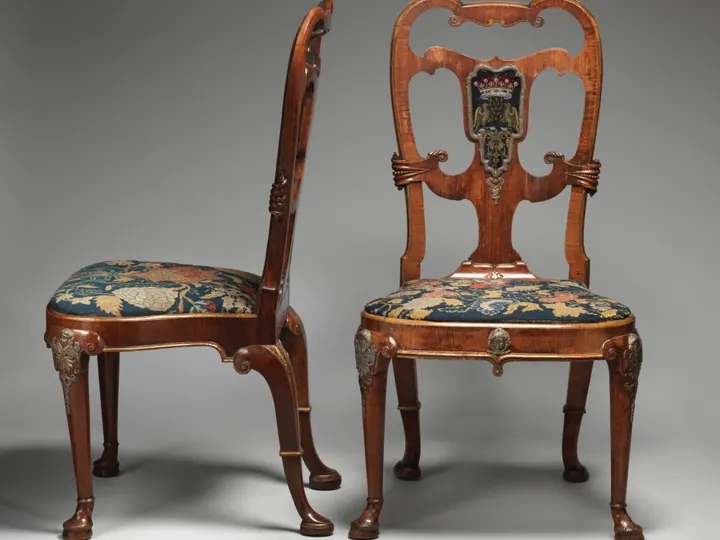
ca. 1724–36
The Metropolitan Museum of Art
A British pair of side chairs in which furniture-making and textile ornament meet through contemporary tent-stitch upholstery.
View object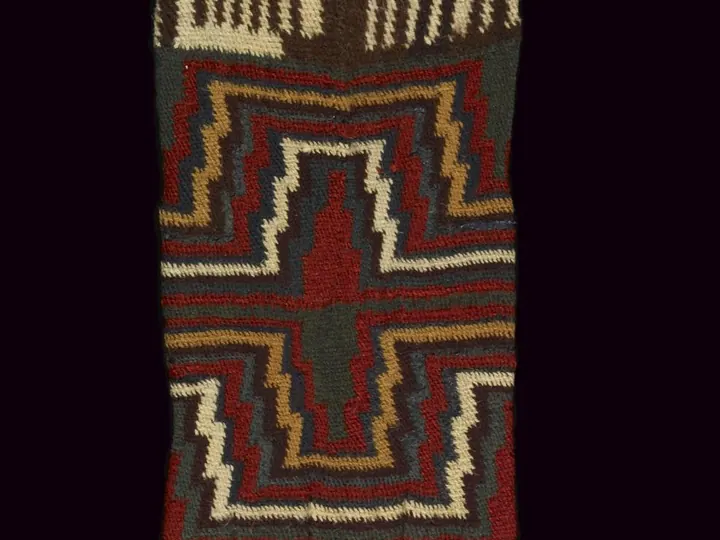
100 BCE-300 CE
The Walters Art Museum
A large woven bag from the Sihuas culture of Peru. Its geometric design suggests both practical use and the visual communication of identity.
View object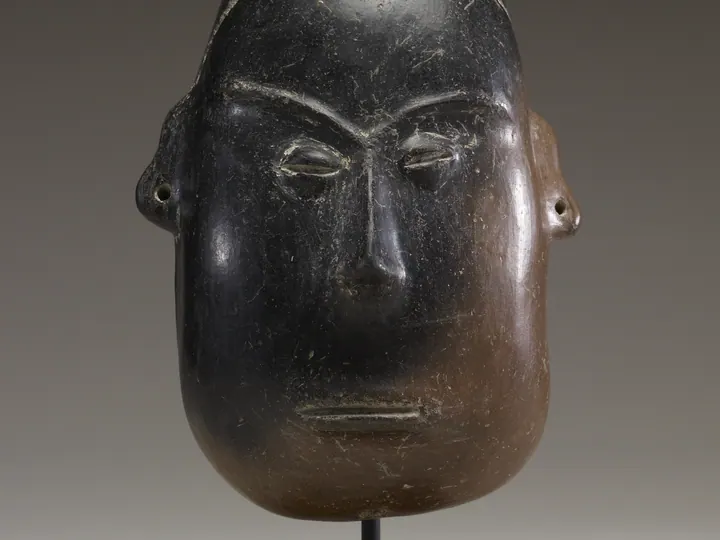
300 BC-AD 300 (Late Pre-Classic)
The Walters Art Museum
A ceramic mask from Colima, Mexico. Its form places mask-making within ancient ritual and funerary traditions of Mesoamerica.
View object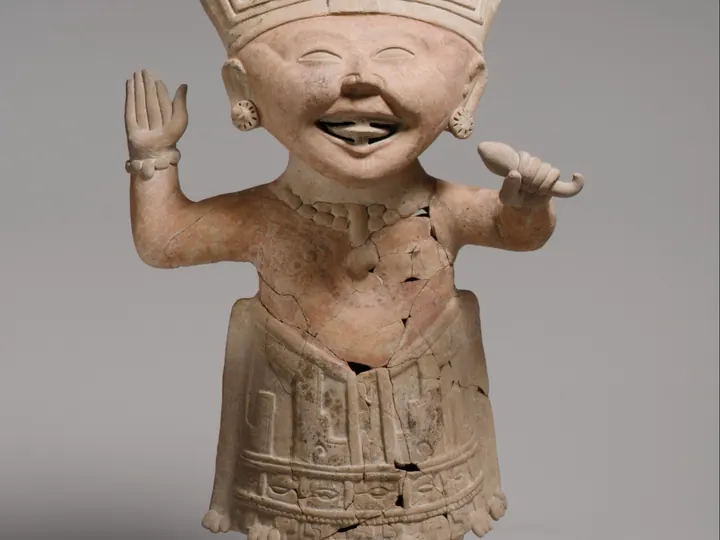
600–1000 CE
The Metropolitan Museum of Art
A Classic Veracruz ceramic sonriente whose animated face, painted surface, and rattle gesture connect sculptural form to ritual performance.
View object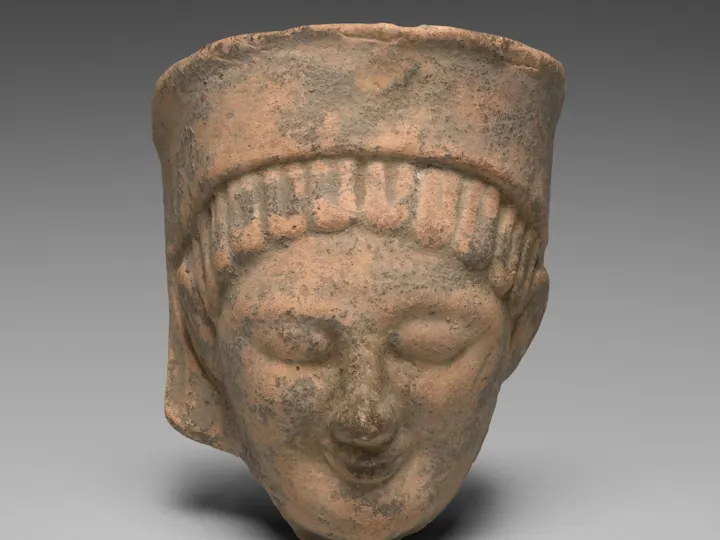
550 BCE
The Cleveland Museum of Art
A terracotta mask from Selinus in Sicily, dated 550 BCE. The object points to ancient ritual and performative traditions, though its precise use should not be overstated.
View object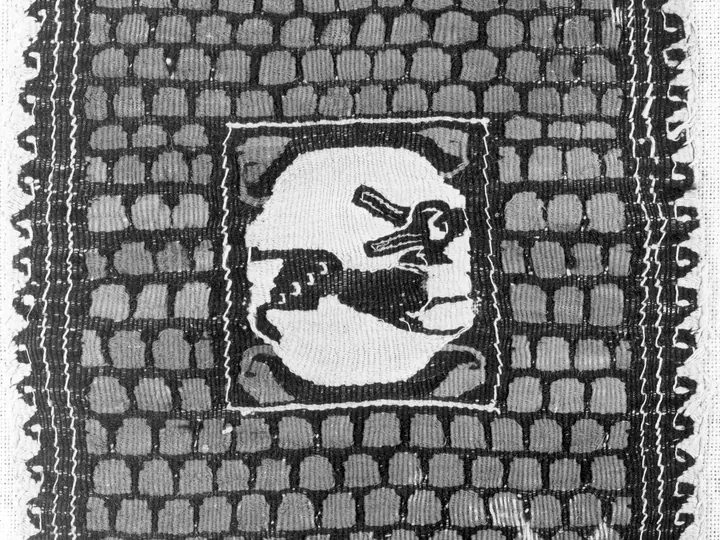
5th–6th century
The Walters Art Museum
A tapestry-woven roundel with a hare motif, made in Egypt between the 5th and 6th centuries. It shows how small textile units could carry durable decorative language.
View object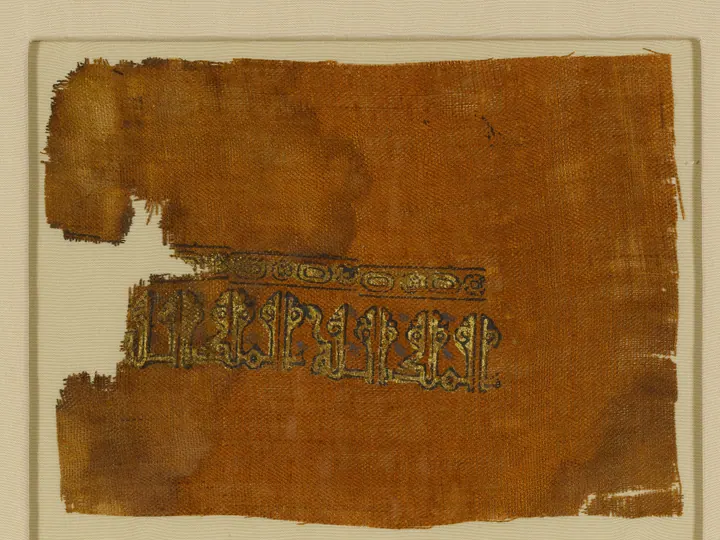
10th–11th century
The Metropolitan Museum of Art
A dyed linen fragment printed with a kufic inscription and gilded accents, linking textile production to repetition, ornament, and the circulation of everyday devotional phrases.
View object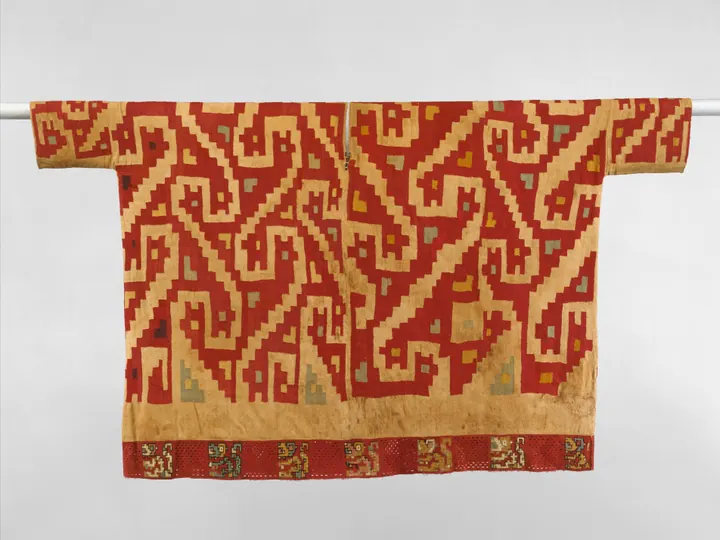
500–850 CE
The Metropolitan Museum of Art
Ancient woven shirt representing traditional Moche clothing.
View object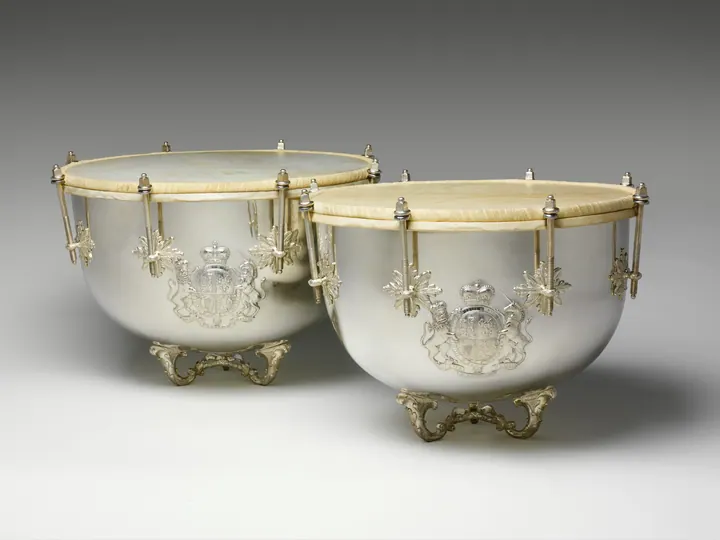
18th–19th century
The Metropolitan Museum of Art
Traditional kettle drums used in ceremonial music.
View object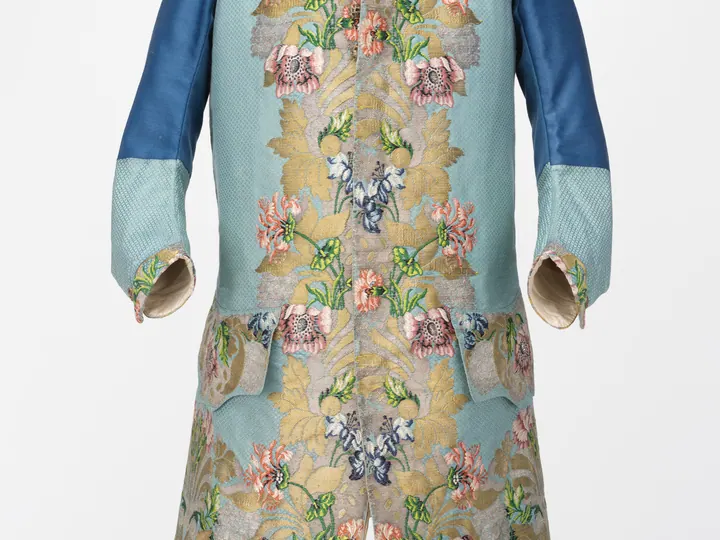
1747
The Metropolitan Museum of Art
18th-century waistcoat showing traditional British clothing techniques.
View object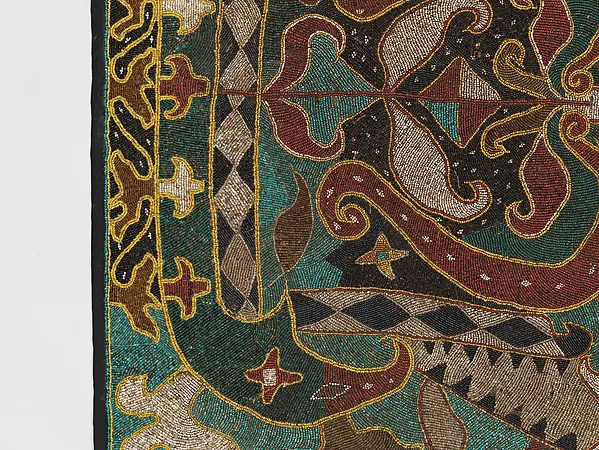
1450–1550
The Metropolitan Museum of Art
Ceremonial tunic representing Chimú weaving and iconography.
View object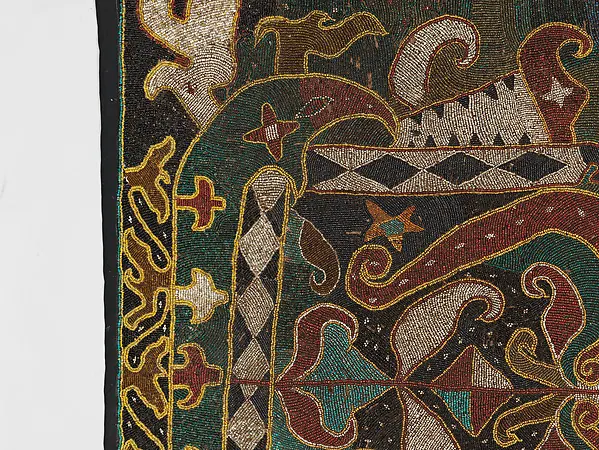
650–1000 CE
The Metropolitan Museum of Art
Peruvian Wari tunic illustrating intricate weaving techniques.
View object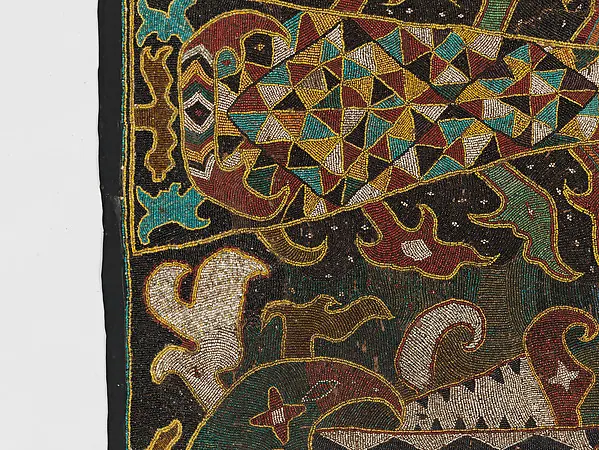
1600–1700
The Metropolitan Museum of Art
Miniature garment blending Indigenous and Spanish weaving traditions.
View object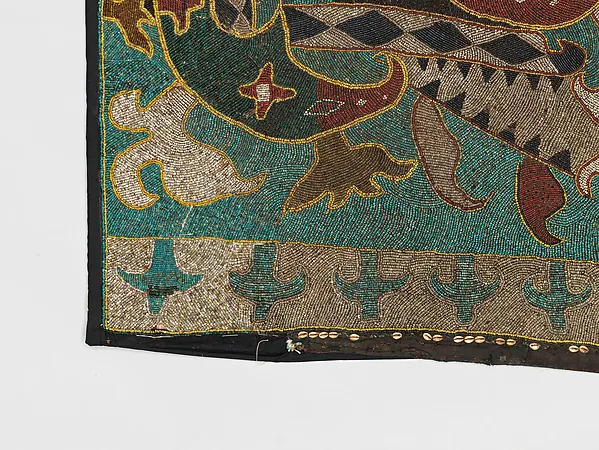
7th–9th century
The Metropolitan Museum of Art
Fragment of Wari tunic reflecting ancient weaving patterns.
View object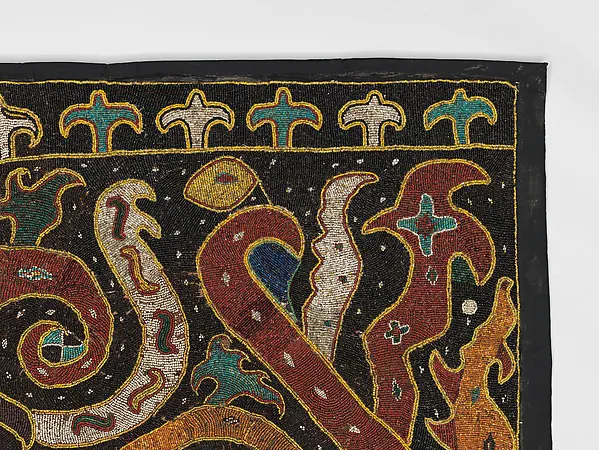
650–1000 CE
The Metropolitan Museum of Art
Another Wari tunic fragment demonstrating weaving motifs.
View object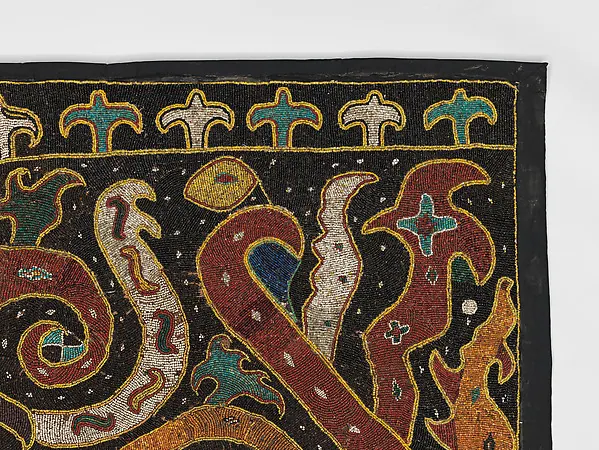
ca. 1900
The Metropolitan Museum of Art
Yup'ik ceremonial mask used in dances and rituals.
View object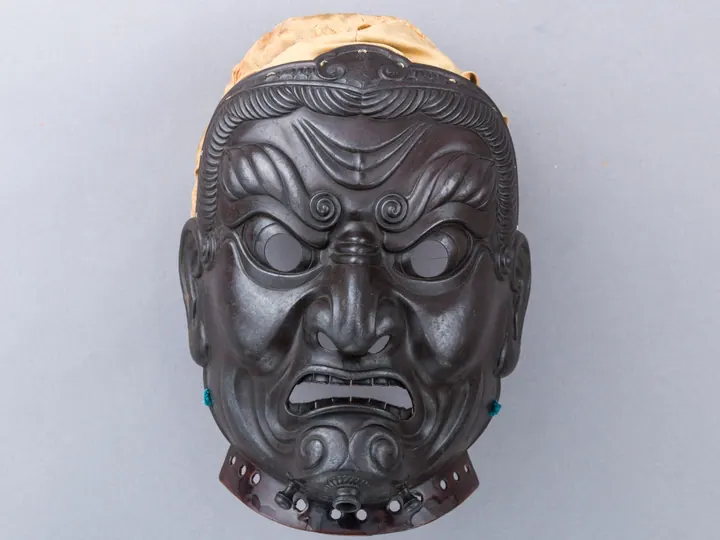
Edo period, dated 1745
The Metropolitan Museum of Art
Japanese samurai mask (mempō) used in ceremonial armor.
View object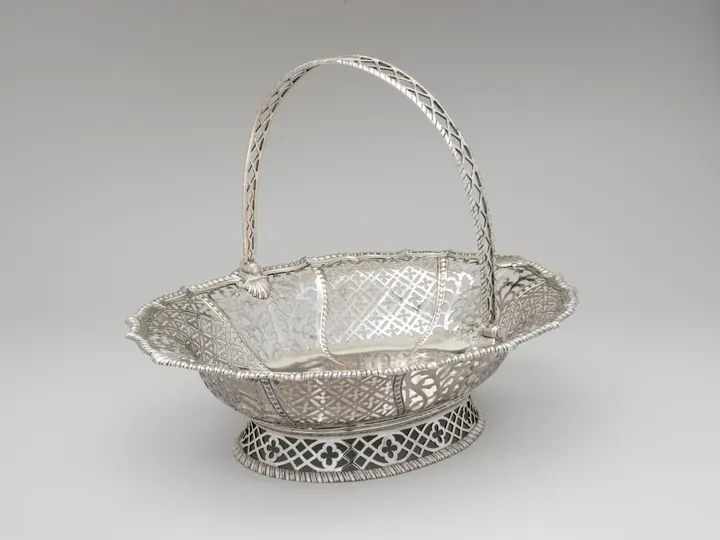
1770–1776
The Metropolitan Museum of Art
18th-century silver basket reflecting colonial silversmithing.
View object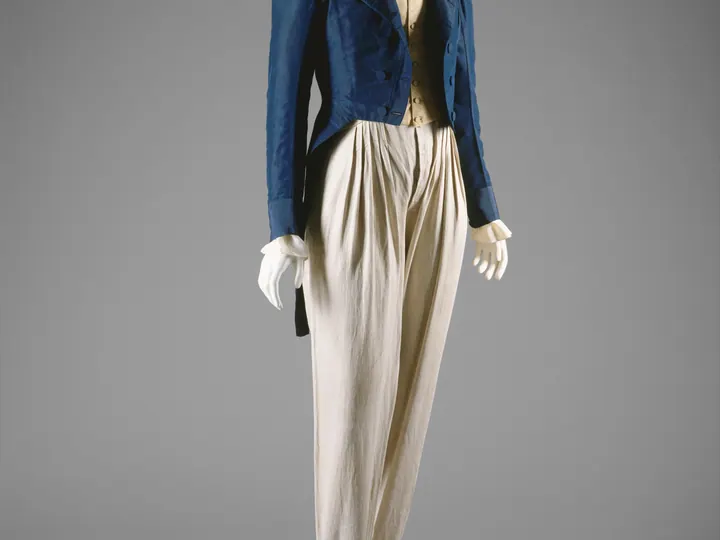
1833
The Metropolitan Museum of Art
Early 19th-century men's coat demonstrating tailoring and fabrics.
View object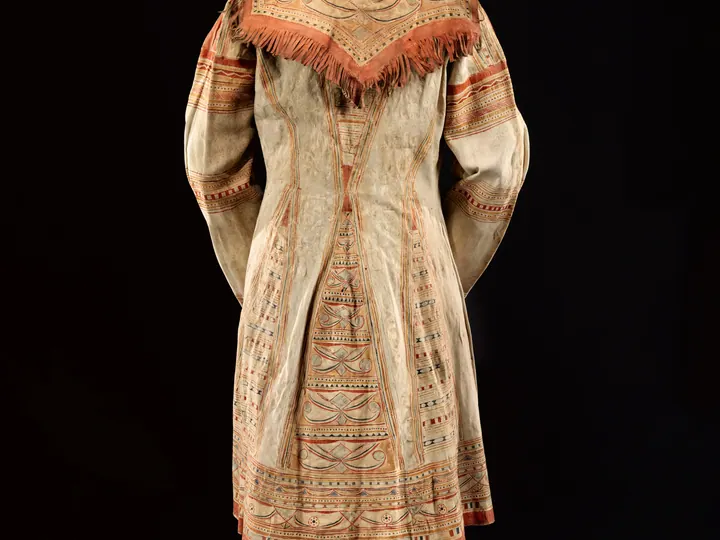
ca. 1820
The Metropolitan Museum of Art
Indigenous North American coat decorated with pigments.
View object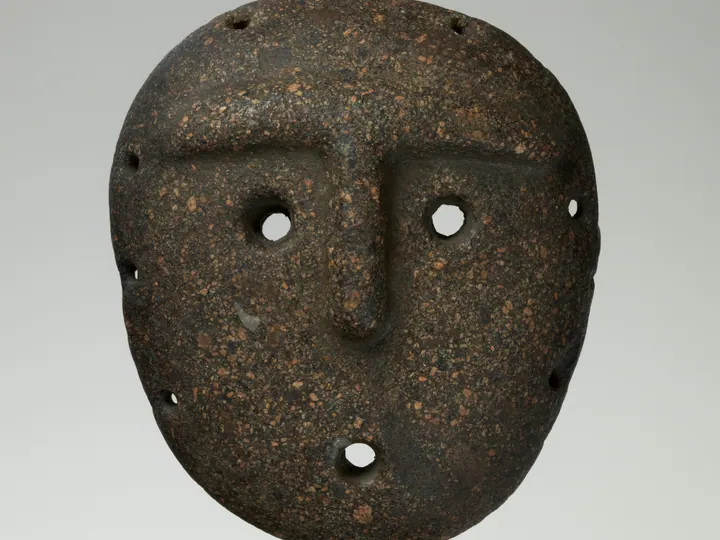
400 BCE–700 CE
The Metropolitan Museum of Art
Another stone mask from the Condorhuasi-Alamito culture.
View object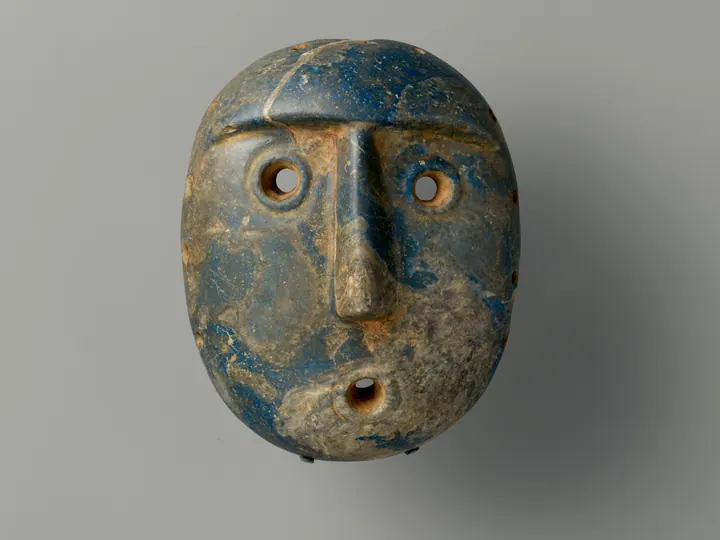
400 BCE–500 CE
The Metropolitan Museum of Art
Ancient lapis-lazuli mask used in Pre-Columbian rites.
View object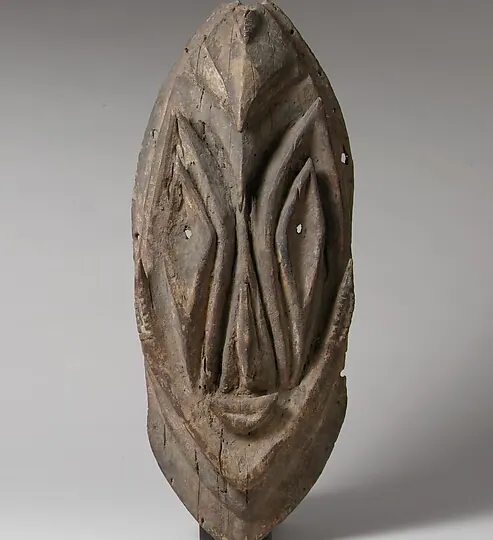
19th–20th century
The Metropolitan Museum of Art
Wooden mask from Papua New Guinea used in rituals.
View object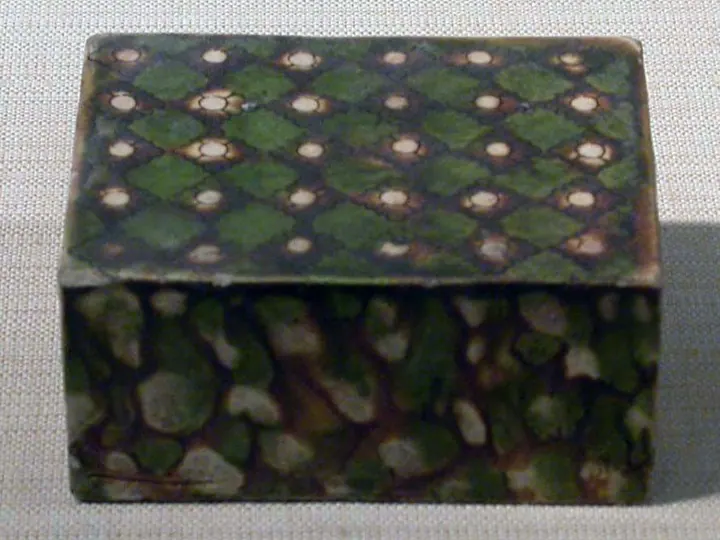
8th–9th century
The Metropolitan Museum of Art
Chinese sancai-glazed pillow used in traditional furniture.
View object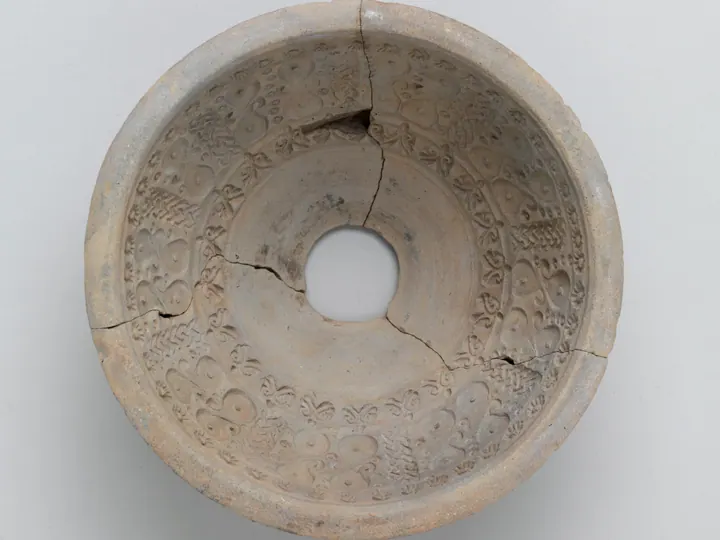
12th century
The Metropolitan Museum of Art
Pottery mold illustrating medieval Islamic ceramic production.
View object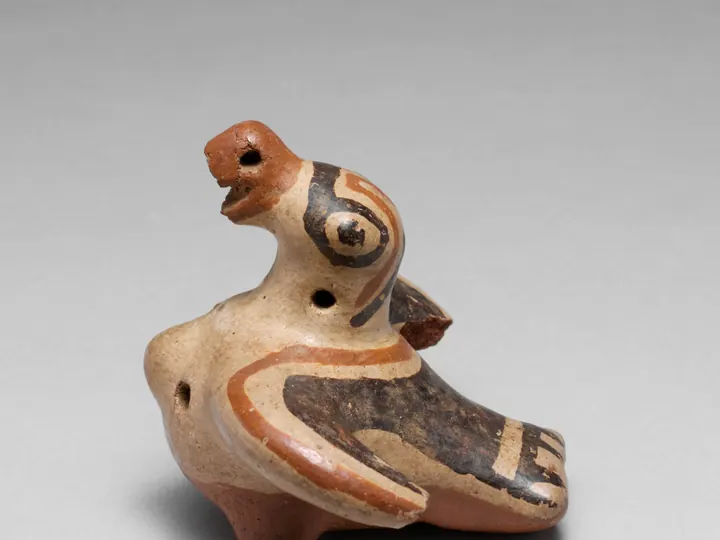
3rd–9th century
The Metropolitan Museum of Art
Pre-Columbian whistle showing musical instrument traditions.
View object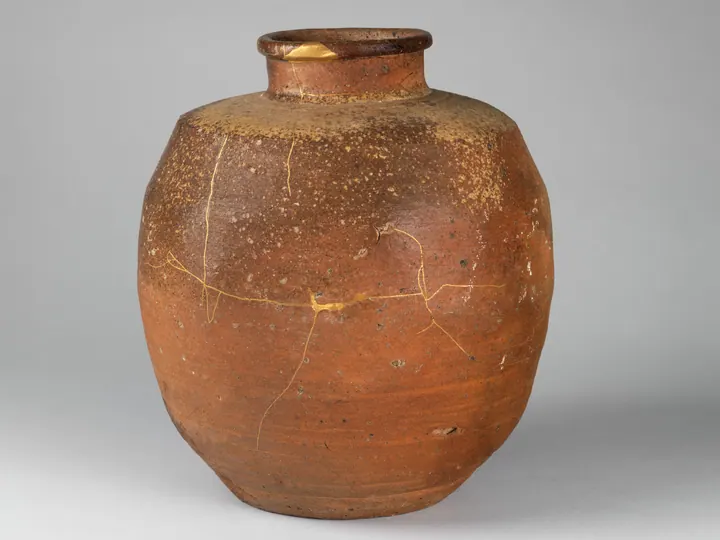
17th century
The Metropolitan Museum of Art
Tea jar used in Japanese tea ceremony with kintsugi repairs.
View object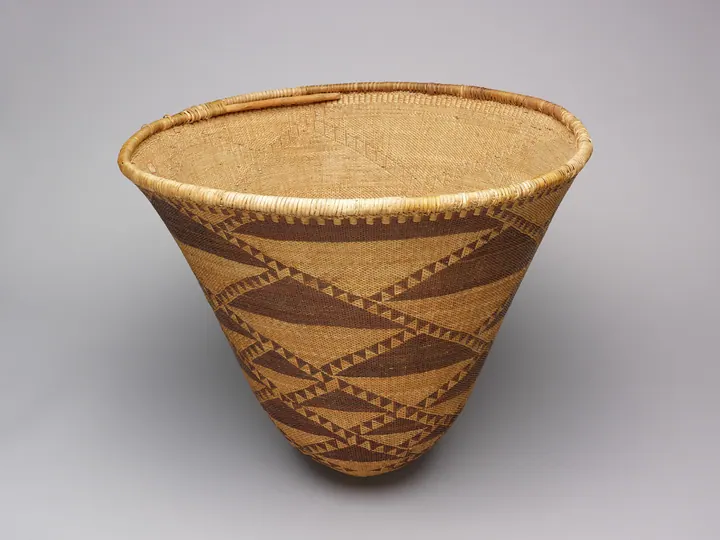
c. 1890
The Art Institute of Chicago
Pomo burden basket used to collect seeds and acorns.
View object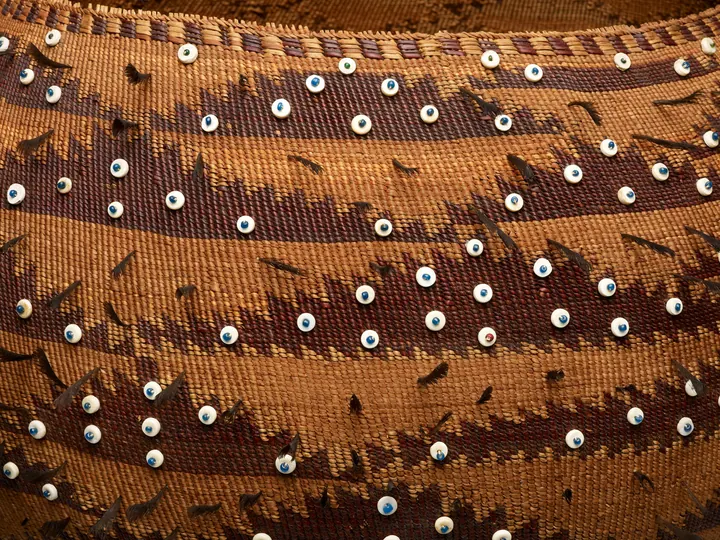
c. 1895
The Art Institute of Chicago
Dowry basket presented in Pomo betrothal ceremonies.
View object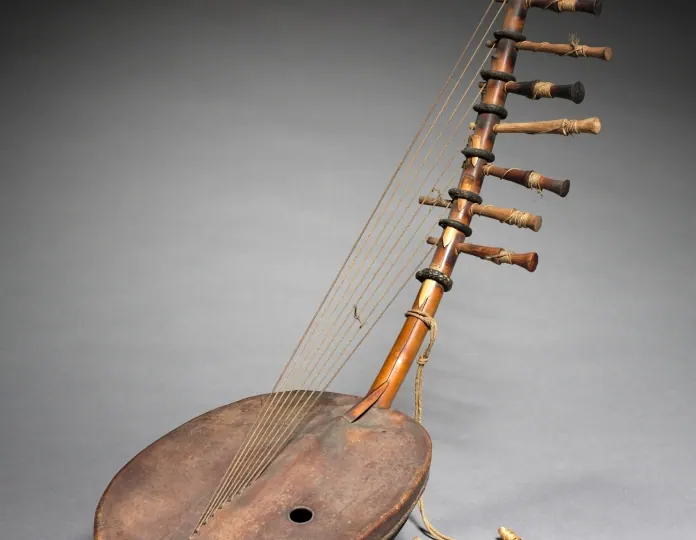
1900s
The Cleveland Museum of Art
A traditional instrument from Uganda used in music-making and community performance.
View object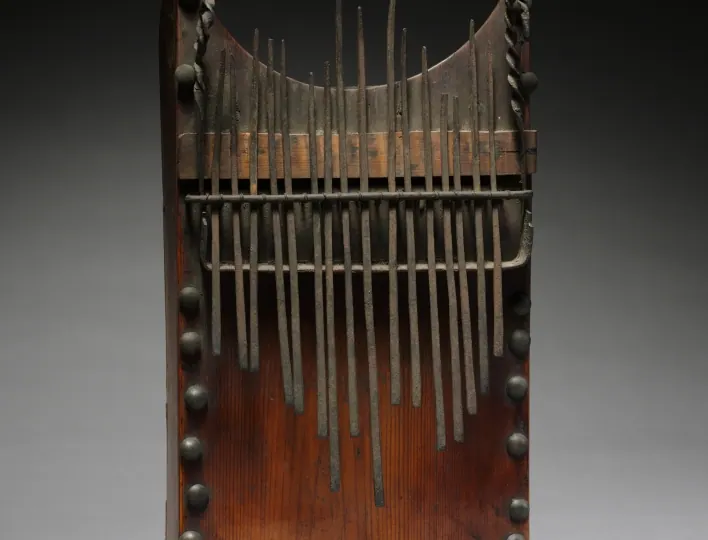
1900s
The Cleveland Museum of Art
A lamellophone, or thumb piano, in Bushoong style, made for traditional musical performance.
View object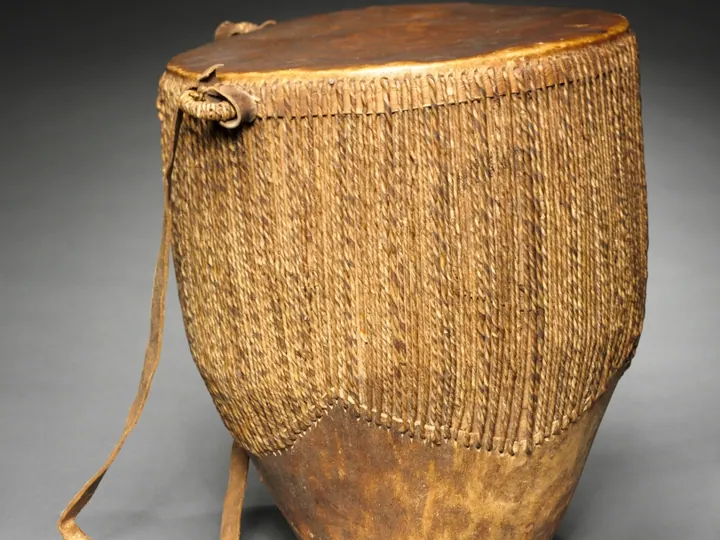
no later than 1928
The Cleveland Museum of Art
A traditional East African drum used for ceremony, communication, and dance.
View object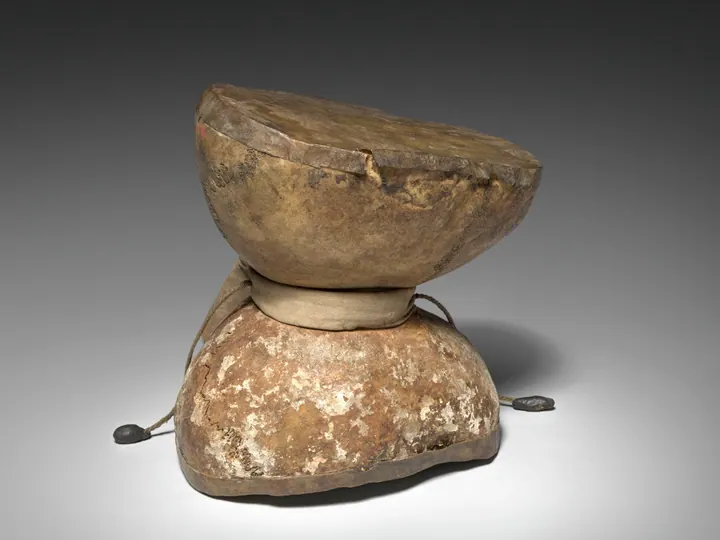
c. 1800
The Cleveland Museum of Art
A ritual hand drum used in Tibetan Buddhist and Hindu practice to mark rhythm and cyclical time.
View object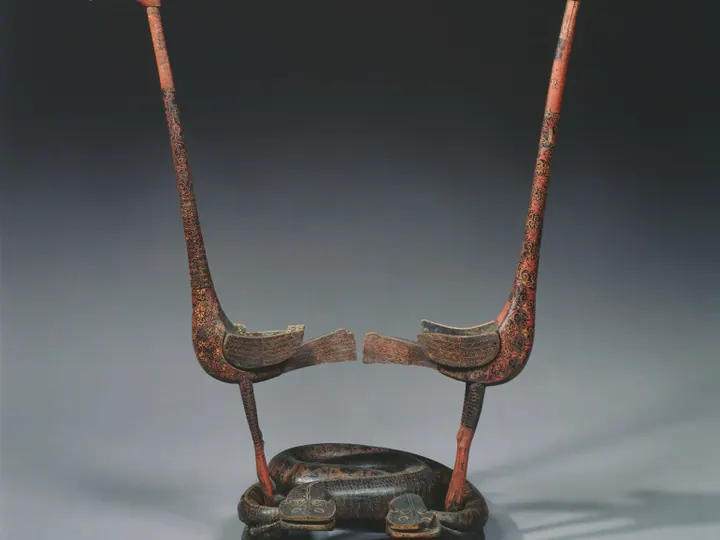
c. 475-221 BCE
The Cleveland Museum of Art
A lacquered drum stand from the state of Chu, made to suspend a drum for ceremonial or symbolic use.
View object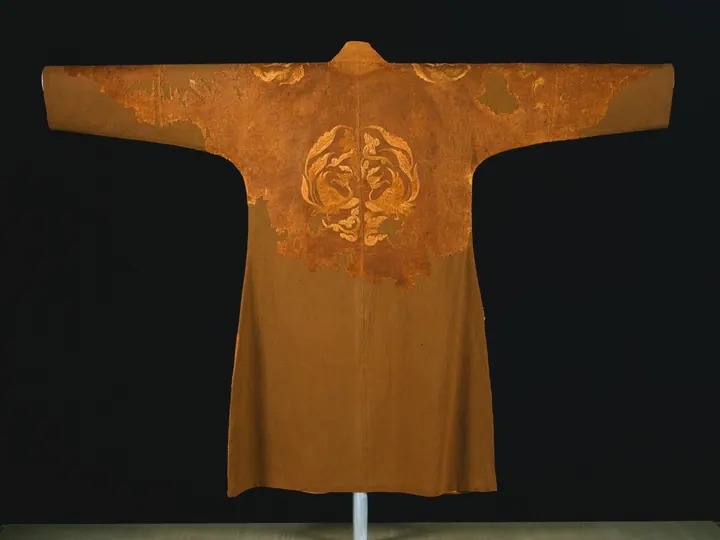
907-1125
The Cleveland Museum of Art
A woman's robe from the Liao dynasty, using silk and gold-thread embroidery to signal status and imperial symbolism.
View object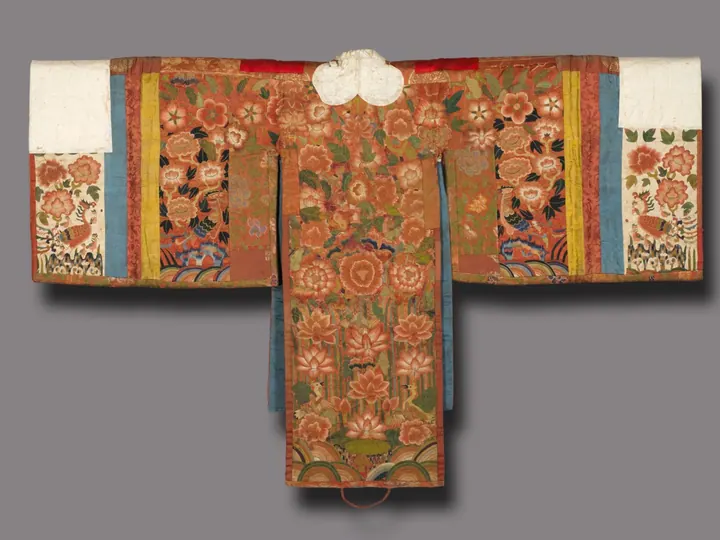
1850-1910
The Cleveland Museum of Art
A Joseon dynasty bridal robe, or hwarot, used in marriage rituals and often shared across generations of women.
View object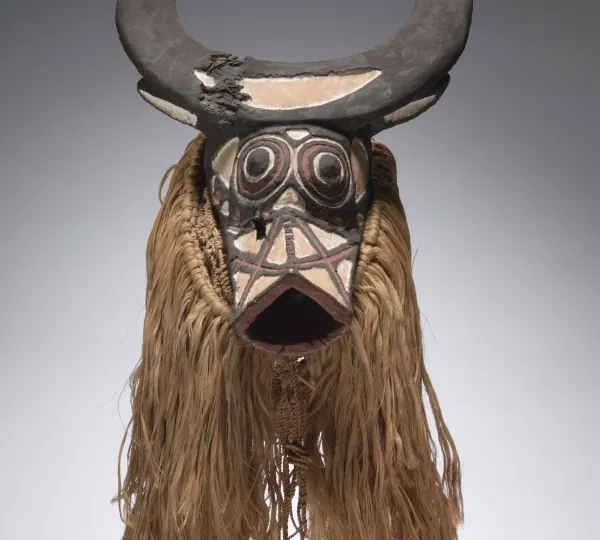
early to mid-20th century
The Cleveland Museum of Art
A buffalo mask in Bwa style, used in dry-season ceremonies, harvest celebrations, and initiation rites.
View object4 institutions
Curatorial support
WICHF Research & CuratorialTechnology · WICHF Digital Culture LabConnecting Civilizations, Sharing Futures
About
