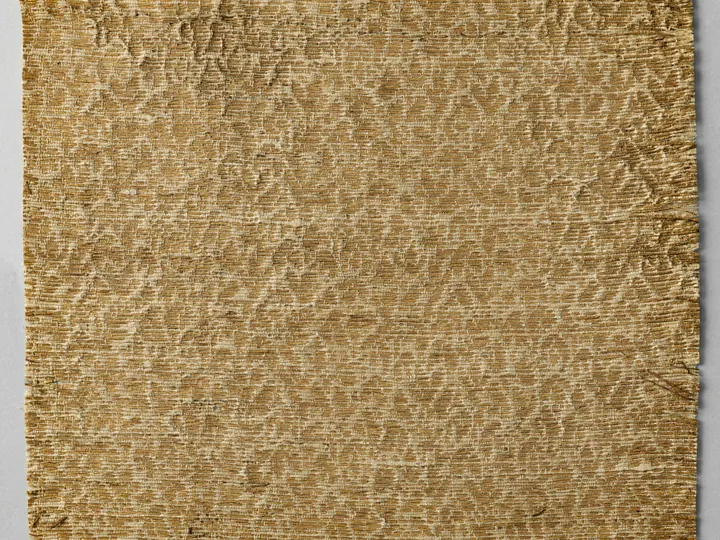
Textile with Tiny Leaves
1275–1350
The Cleveland Museum of Art
A silk textile fragment from Central Asia, woven with gold-thread leaves during the Il-khanid period. It preserves a refined example of courtly weaving practice.
View object
17 view object
A governed exhibition of open-access museum objects connected through living-heritage themes.
1275–1350
The Cleveland Museum of Art
A silk textile fragment from Central Asia, woven with gold-thread leaves during the Il-khanid period. It preserves a refined example of courtly weaving practice.
View object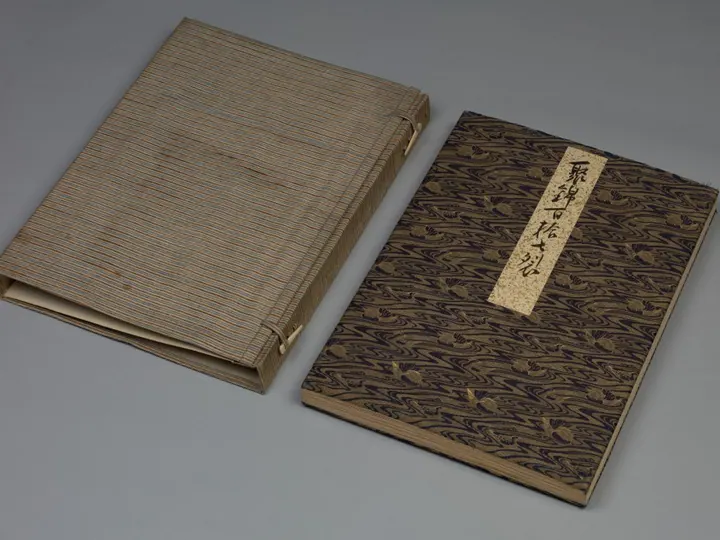
1790
The Cleveland Museum of Art
A Japanese album of silk textile samples dated 1790. As a portable group of materials, it preserves pattern reference and making knowledge together.
View object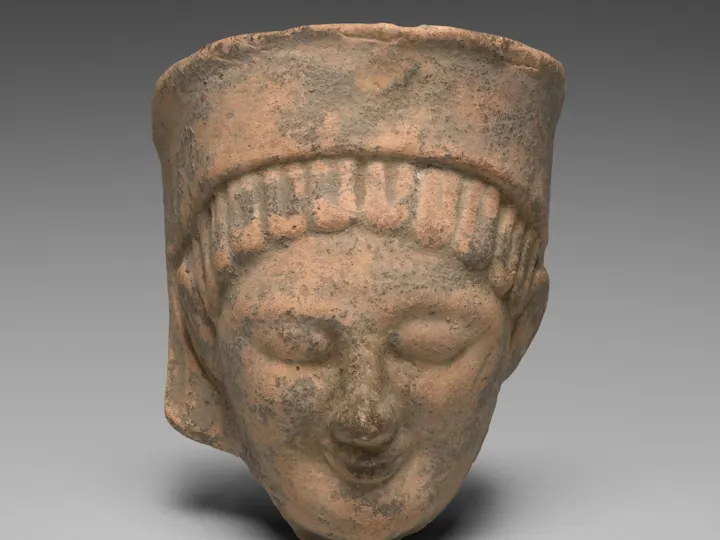
550 BCE
The Cleveland Museum of Art
A terracotta mask from Selinus in Sicily, dated 550 BCE. The object points to ancient ritual and performative traditions, though its precise use should not be overstated.
View object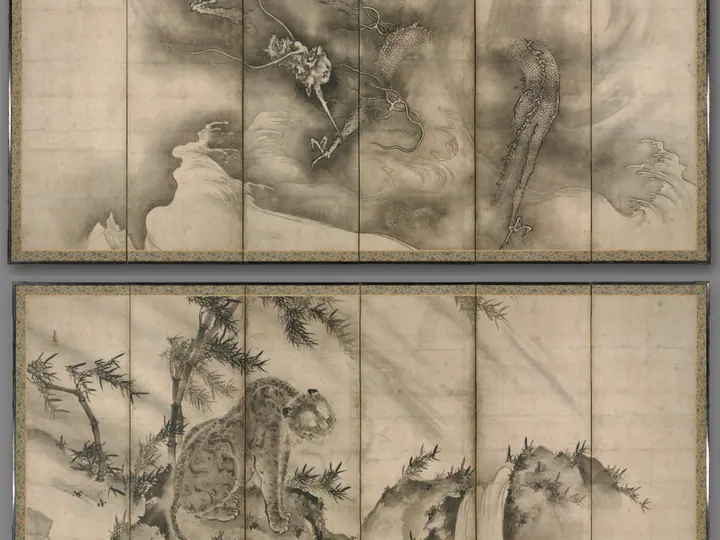
c. 1546–56
The Cleveland Museum of Art
A pair of Japanese folding screens in ink on paper, included here as a contextual work linking painted imagery, animal symbolism, and ritual imagination.
View object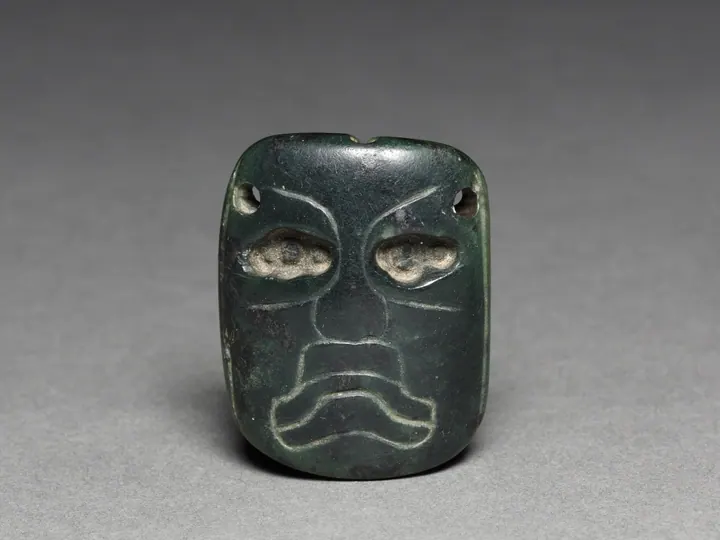
c. 900–400 BCE
The Cleveland Museum of Art
Olmec jade mask associated with ritual contexts.
View object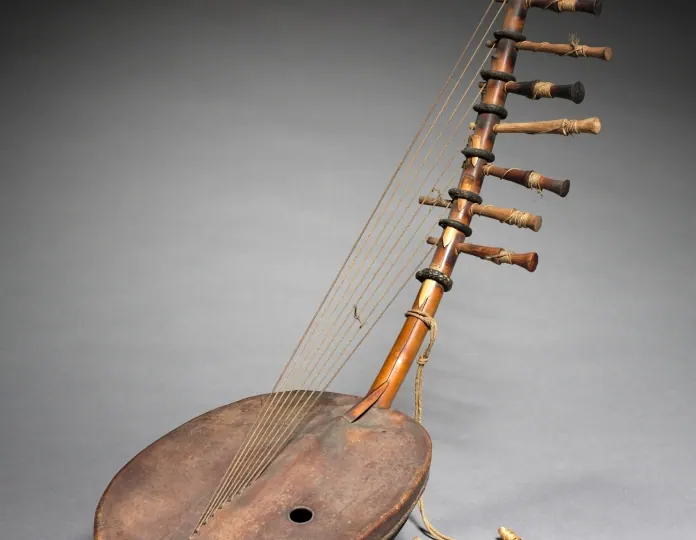
1900s
The Cleveland Museum of Art
A traditional instrument from Uganda used in music-making and community performance.
View object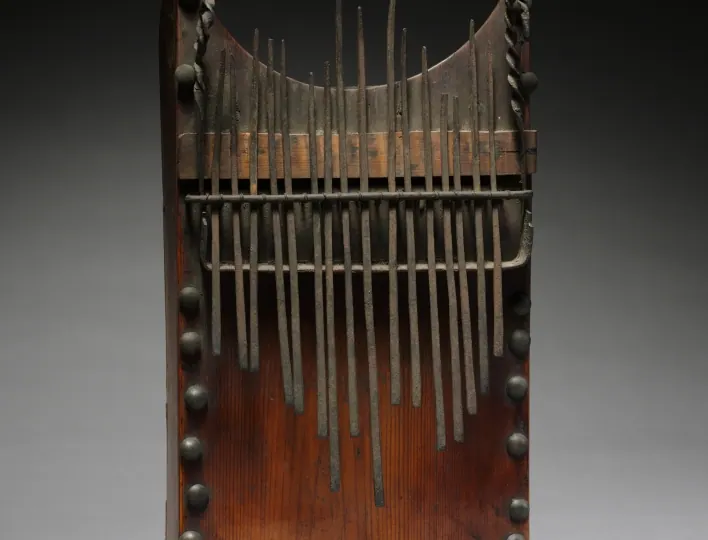
1900s
The Cleveland Museum of Art
A lamellophone, or thumb piano, in Bushoong style, made for traditional musical performance.
View object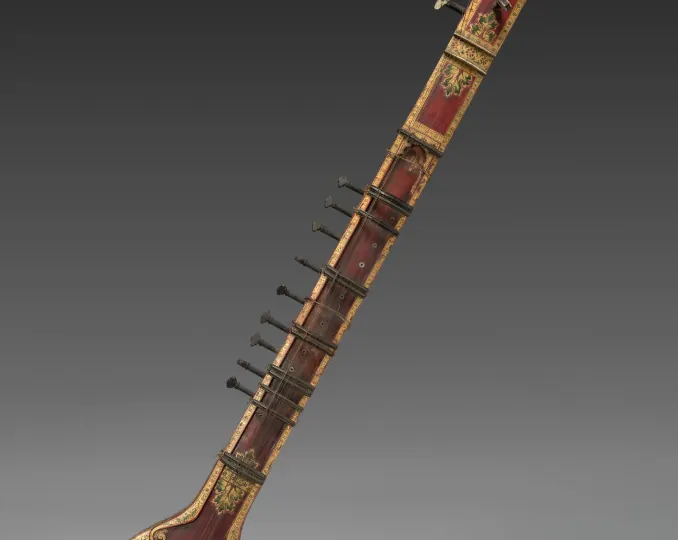
c. 1850
The Cleveland Museum of Art
A South Asian plucked string instrument associated with court music and devotional performance.
View object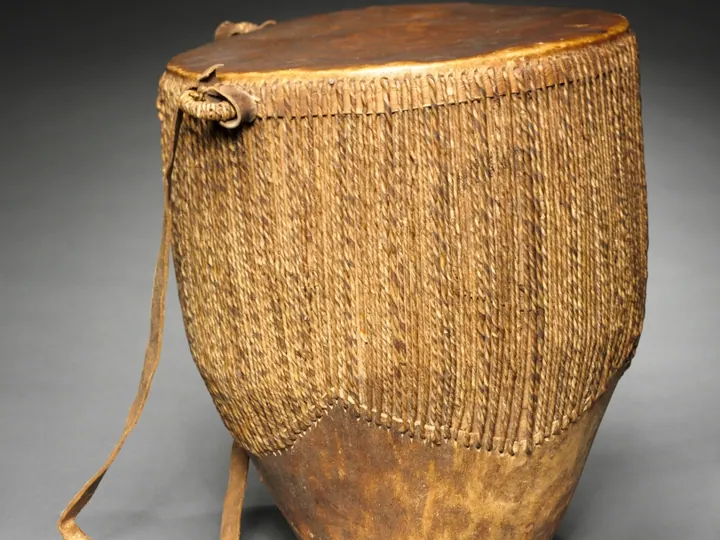
no later than 1928
The Cleveland Museum of Art
A traditional East African drum used for ceremony, communication, and dance.
View object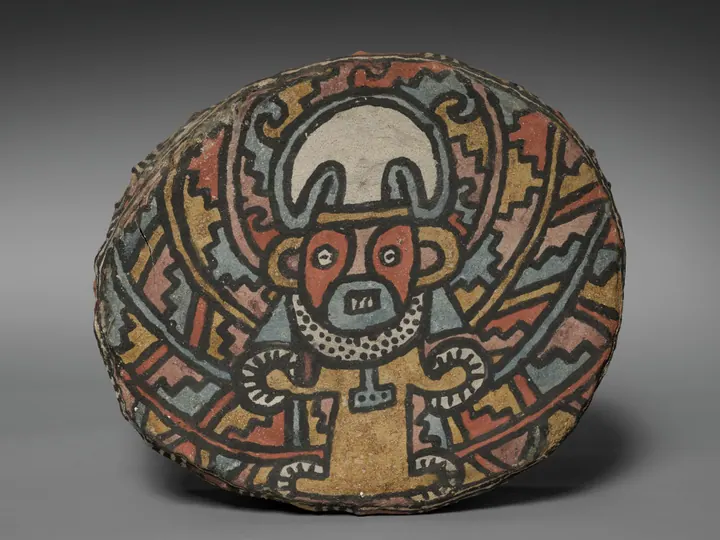
500-1000 CE
The Cleveland Museum of Art
A painted drum from the Andes, probably used in ritual performance and possibly associated with women players.
View object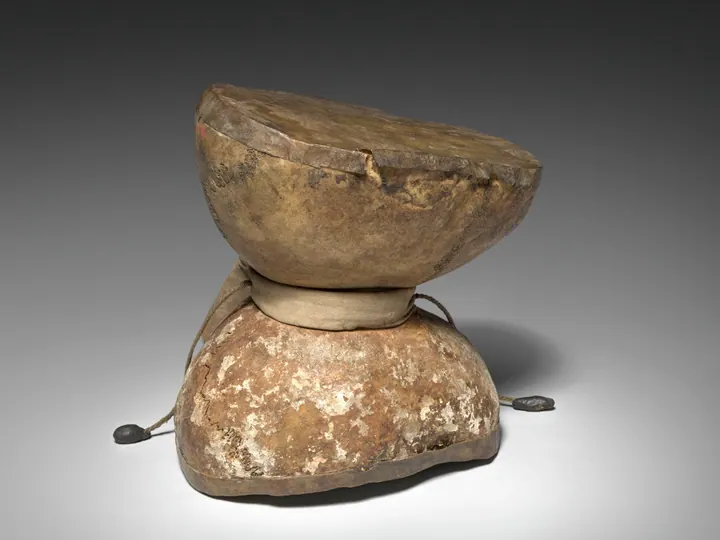
c. 1800
The Cleveland Museum of Art
A ritual hand drum used in Tibetan Buddhist and Hindu practice to mark rhythm and cyclical time.
View object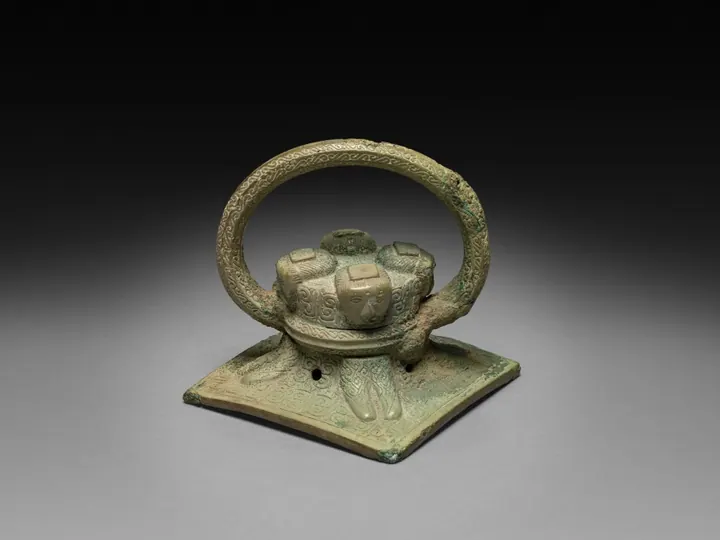
c. 770-475 BCE
The Cleveland Museum of Art
A bronze handle from a jiangu drum, made to suspend an ancient ritual instrument.
View object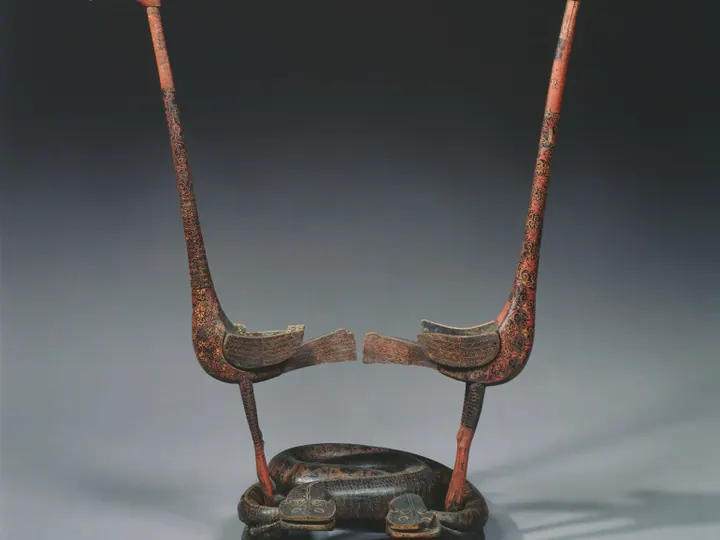
c. 475-221 BCE
The Cleveland Museum of Art
A lacquered drum stand from the state of Chu, made to suspend a drum for ceremonial or symbolic use.
View object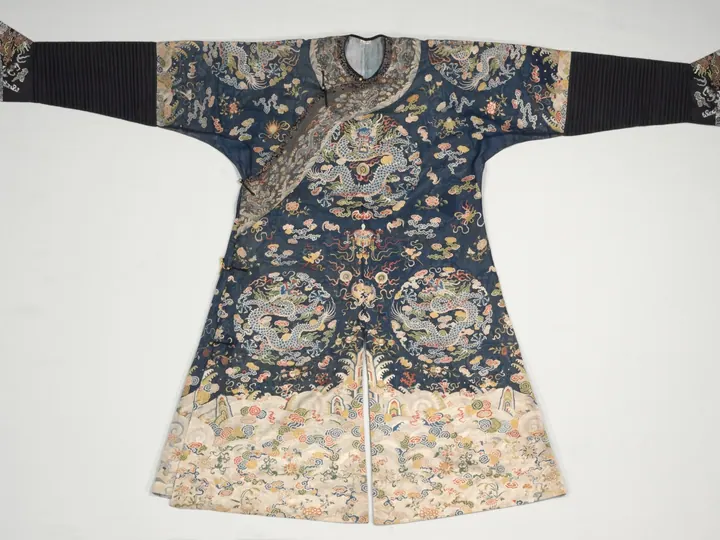
late 18th to early 19th century
The Cleveland Museum of Art
A robe worn by a Qing official, using silk and embroidery to express rank and status.
View object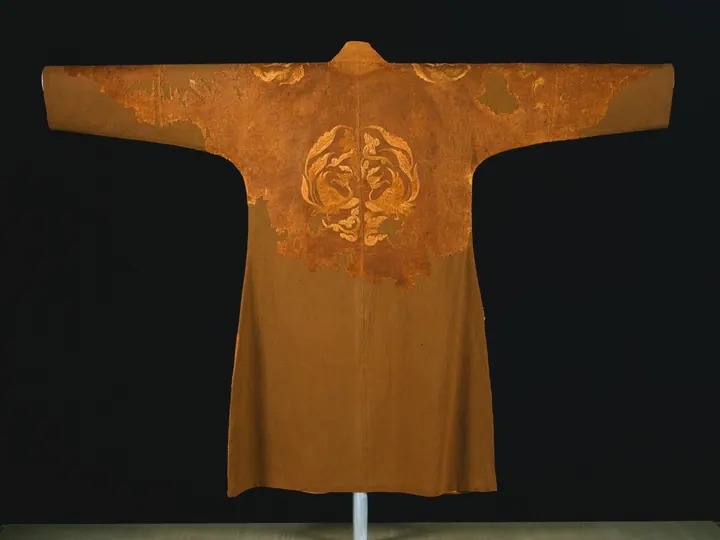
907-1125
The Cleveland Museum of Art
A woman's robe from the Liao dynasty, using silk and gold-thread embroidery to signal status and imperial symbolism.
View object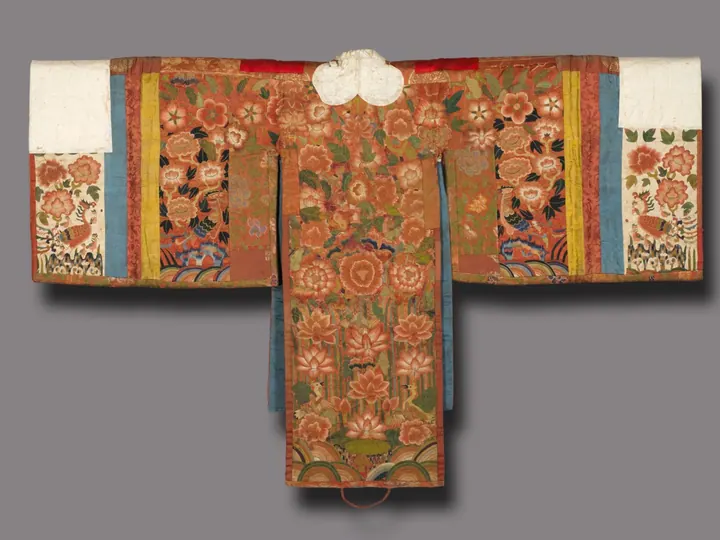
1850-1910
The Cleveland Museum of Art
A Joseon dynasty bridal robe, or hwarot, used in marriage rituals and often shared across generations of women.
View object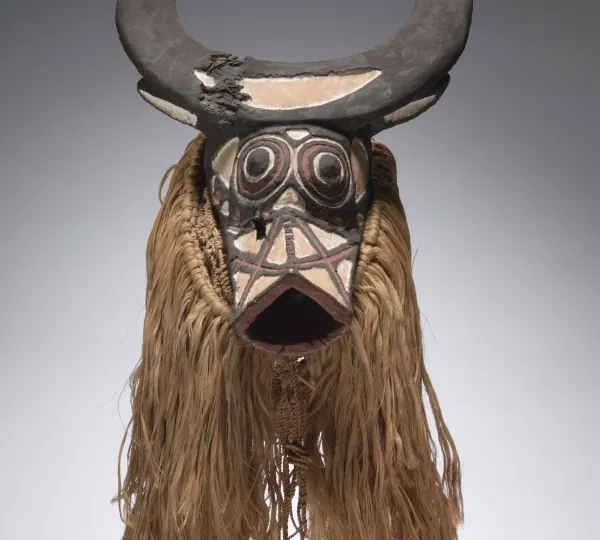
early to mid-20th century
The Cleveland Museum of Art
A buffalo mask in Bwa style, used in dry-season ceremonies, harvest celebrations, and initiation rites.
View object