
Traditional Knowledge & Biocultural Heritage
China Water Heritage and Traditional Knowledge Action for SDG 6
A bilingual public-interest initiative led by the World Intangible Cultural Heritage Federation (WICHF).
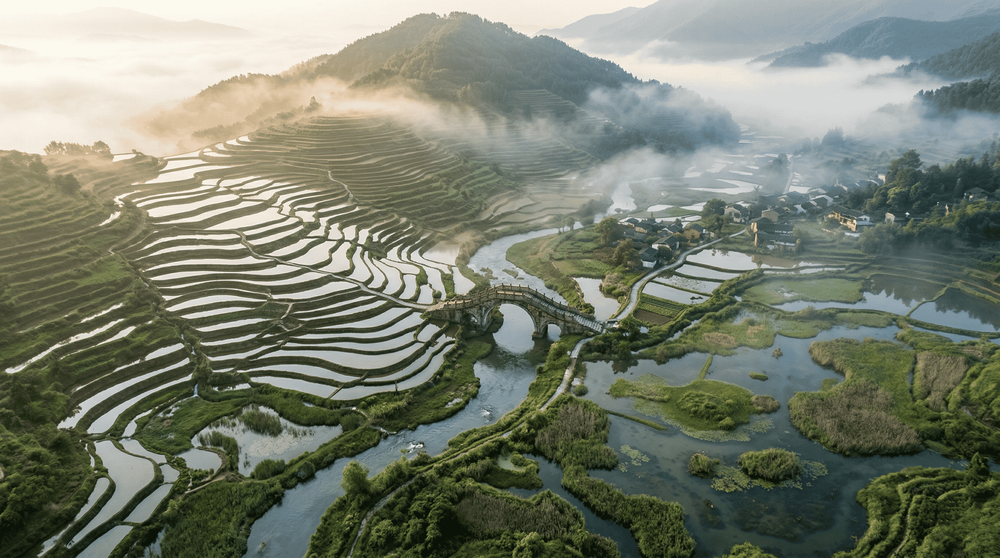
Project snapshot
Project snapshot
- Project type
- Public-interest initiative
- Status
- Status not publicly confirmed
- Location
- China
- Period
- 2026-05-01 — 2027-06-30
- WICHF role
- WICHF is identified as the lead entity.
- Lead entity
- World Intangible Cultural Heritage Federation (WICHF)
- Core focus
- Water, heritage, traditional knowledge, education, SDG 6
- Public access
- Bilingual public initiative page
- Audience
- Public readers, educators, researchers, and prospective collaborators
- Geographic scope
- China, with open bilingual access for international audiences
- Primary beneficiaries
- Youth, educators, heritage practitioners, local communities, cultural institutions, and the wider public
- Submission support
- Prepared as a stable public project route for Water Action Agenda use

Project content
A bilingual public-interest initiative led by the World Intangible Cultural Heritage Federation (WICHF).
Initiative overview
The China Water Heritage and Traditional Knowledge Action for SDG 6 is a public-interest initiative led by the World Intangible Cultural Heritage Federation (WICHF). The initiative documents, interprets and disseminates selected examples of China's water-related cultural heritage and traditional knowledge, and connects them with education, public awareness and sustainable development.
Through bilingual digital publication, curated case development and public-facing educational content, the initiative aims to build a clearer bridge between water action, cultural heritage, community knowledge and long-term sustainability.
- Geographic scope China, with open bilingual access for international audiences
- Primary beneficiaries Youth, educators, heritage practitioners, local communities, cultural institutions, and the wider public
- Submission support Prepared as a stable public project route for Water Action Agenda use
Why this initiative matters
Water is not only a natural resource and a development issue. It is also closely connected with cultural memory, local knowledge, traditional practices, ecological understanding and community life.
In many parts of China, water-related knowledge is embedded in traditional irrigation practices, community customs, river-based cultural life, wetland memory, local craftsmanship and long-standing relationships between people and their environments. These dimensions are often underrepresented in contemporary water discussions, despite their educational and public value.
WICHF proposes this initiative to make these links more visible, more accessible and more useful for public understanding, sustainable development education and future collaboration.
Objectives
To document selected examples of China's water-related cultural heritage and traditional knowledge.
To build a bilingual public knowledge page that connects water, culture, heritage and sustainable development.
To produce accessible educational and editorial content for youth, educators and the broader public.
To encourage dialogue among cultural practitioners, researchers, educators and community knowledge holders.
What WICHF will deliver
A bilingual online knowledge page on water heritage and traditional knowledge in China.
Twenty curated case profiles linking water, culture, heritage and community knowledge in China.
An open educational toolkit for youth and public awareness on water heritage and sustainable development.
At least three online public dialogues or webinars on water, culture and community knowledge.
Geographic scope and beneficiaries
Geographic scope: China, with open bilingual access for international audiences.
The initiative is rooted in Chinese cases while remaining accessible to readers, collaborators and observers from other regions.
Primary beneficiaries: youth, educators, heritage practitioners, local communities, cultural institutions and the wider public.
Method and governance
The initiative will combine desk research, editorial development, bilingual publication, public communication and invited expert input.
WICHF will coordinate the overall project structure, content planning, editorial review and digital publication.
The initial implementation capacity will rely on WICHF's in-house project coordination, bilingual editorial work, research synthesis, design support, translation support and website management.
Additional support may include contributed expert time, volunteer review and institutional dialogue as the initiative develops.
Expected impact
This initiative is designed to strengthen public awareness of the links between water, culture, heritage and sustainable development.
It is expected to contribute to SDG 6 through public water awareness and community-oriented knowledge-sharing, while also supporting education, heritage safeguarding and cross-sector dialogue.
In the medium term, the initiative aims to create a replicable bilingual model for presenting water-related heritage and traditional knowledge in a clear, educational and publicly accessible way.
Timeline
- May 2026 Project preparation and editorial framework
- September 2026 Launch of the bilingual initiative page
- December 2026 Publication of the first curated case profiles
- March 2027 Release of the educational toolkit
- June 2027 Completion of the first three public dialogues or webinars
Who this initiative serves and what it offers
This initiative introduces China's water heritage and traditional knowledge in a public-facing format that connects case material, education, and sustainable development themes.
Visitors can use this page to understand the initiative's background, focus areas, and collaboration outlook, while following future case-based and thematic content.
About the lead entity
The World Intangible Cultural Heritage Federation (WICHF) is the lead entity of this initiative. WICHF works on cultural heritage communication, knowledge organization and international-facing public-interest projects related to intangible cultural heritage and broader heritage-linked development themes.
For institutional dialogue, research exchange, or educational collaboration related to this initiative, visitors are welcome to contact WICHF through the official website channel.
Follow this route for future case updates, thematic content, and public collaboration information.
Relationship
Relationship
WICHF is identified as the lead entity.
Current project page: Lead entity and dated timeline beginning May 2026.
Official references
Official references
Contact
Interested in working together?
Explore collaboration through verified WICHF contact channels.