
Transmission & Education
Intangible Cultural Heritage for Migrant Inclusion and Community Cohesion
A community-based WICHF initiative using intangible cultural heritage to support migrant inclusion, diaspora engagement and positive public narratives on migration.
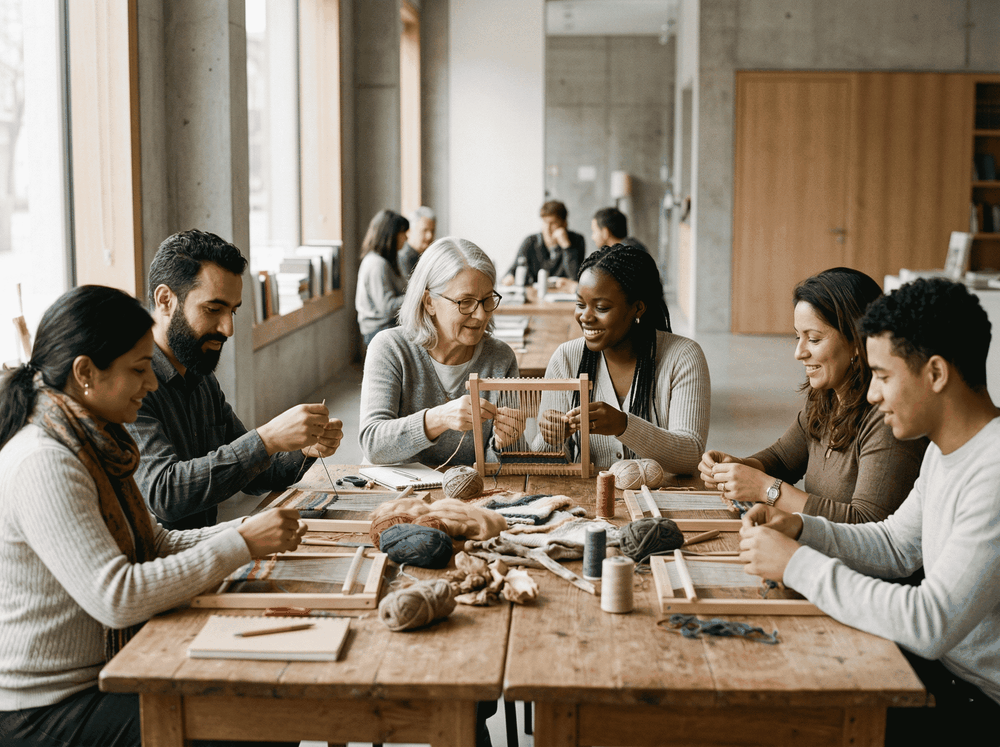
Project snapshot
Project snapshot
- Project type
- Public-interest initiative
- Status
- Ongoing
- Location
- United States of America
- Period
- 2026-04-01 — 2027-03-31
- WICHF role
- WICHF independently organizes and implements the initiative.
- Lead entity
- World Intangible Cultural Heritage Federation (WICHF)
- Implementation period
- April 2026 – March 2027
- Country of implementation
- United States of America (USA)
- Project type
- Public-interest initiative
- Lead entity
- World Intangible Cultural Heritage Federation (WICHF)
- Implementation period
- April 2026 – March 2027
- Country of implementation
- United States of America (USA)
- Resource and update path
- Main project page, resources page, sessions page, heritage profiles page and community stories page
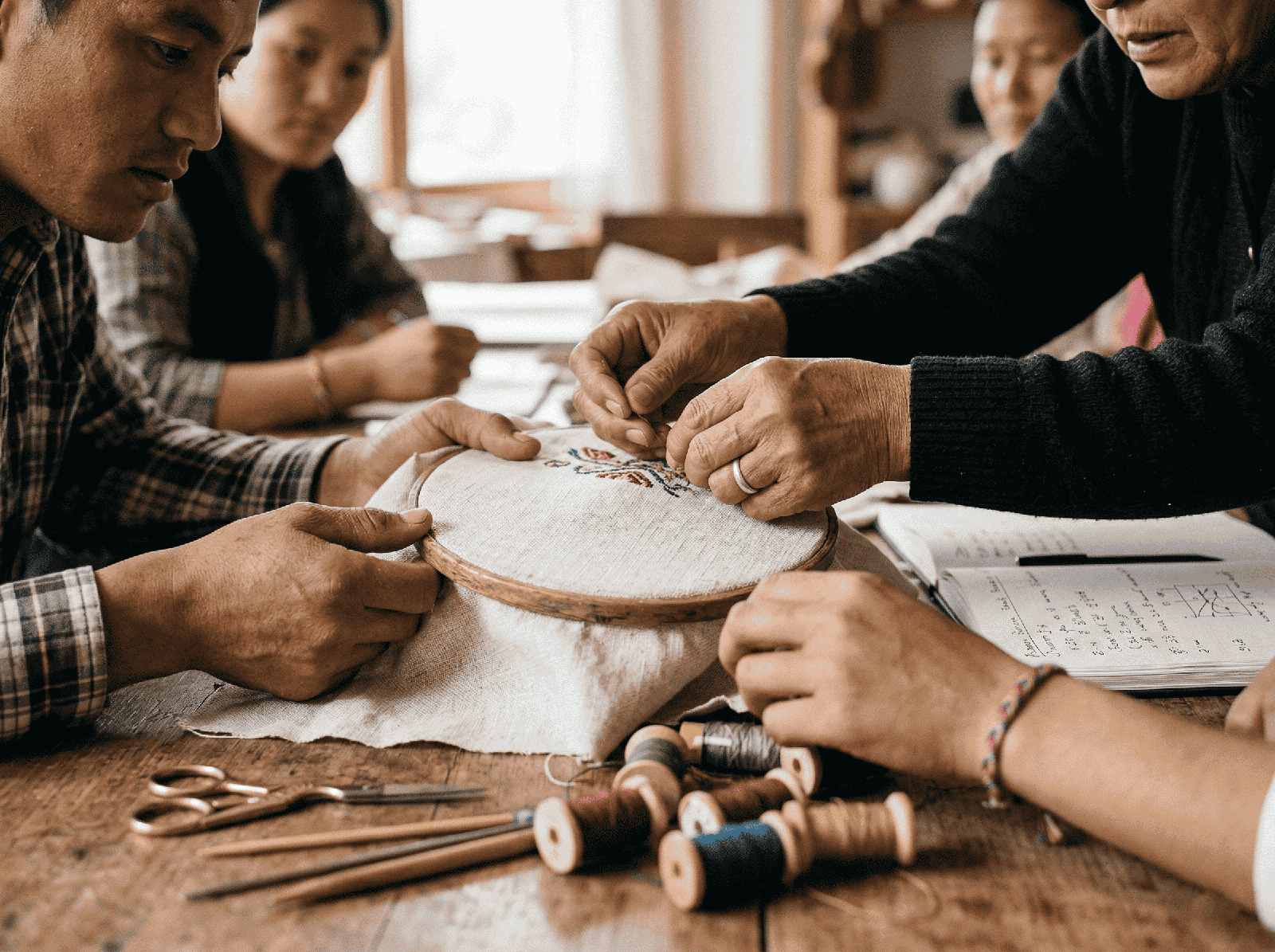
Project content
A community-based WICHF initiative using intangible cultural heritage to support migrant inclusion, diaspora engagement and positive public narratives on migration.

Project overview
This page presents WICHF's public implementation framework for a migration-related initiative focused on intangible cultural heritage, migrant inclusion and community cohesion. The project is designed as a practical, community-based initiative rather than a one-time event or a symbolic statement.
The initiative uses intangible cultural heritage as a route for inclusive cultural participation, intercultural dialogue, diaspora engagement and more constructive public narratives on migration. It is structured to translate WICHF's public pledge into a stable, understandable and updateable website package.
- Lead entity World Intangible Cultural Heritage Federation (WICHF)
- Implementation period April 2026 – March 2027
- Country of implementation United States of America (USA)
- Resource and update path Main project page, resources page, sessions page, heritage profiles page and community stories page

Why this initiative matters
Migrants, diaspora communities and host communities often need more constructive public spaces for participation, recognition and dialogue. Cultural participation can help create such spaces when it is approached with care, accessibility and public-interest framing.
This initiative is built on the idea that intangible cultural heritage can support inclusion not by romanticizing culture, but by creating shared points of learning, participation, storytelling and community connection. WICHF uses this page to explain that logic clearly and publicly.
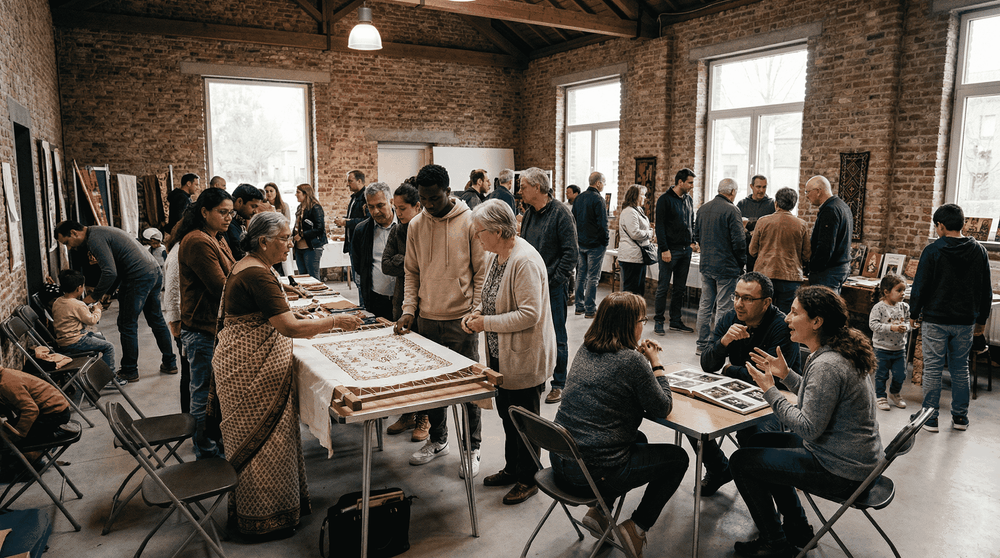
WICHF's public pledge
WICHF's implementation framework is built around four practical commitments.
- To identify and engage at least 15 relevant migrant, diaspora, cultural or civil society stakeholders for outreach and partnership development.
- To organize at least 6 online or hybrid cultural learning and dialogue sessions focused on traditional crafts, oral traditions, food heritage, cultural storytelling or related intangible cultural heritage practices.
- To publish a bilingual digital resource package consisting of at least 10 short heritage profiles, 5 community stories and 1 practical summary guide on how cultural heritage activities can support inclusion and positive public narratives on migration.
- To prepare a short public implementation summary highlighting lessons learned, outputs delivered and opportunities for future collaboration.
Who this initiative serves
Primary audiences include migrant communities, diaspora communities, civil society organizations, cultural practitioners, educators, researchers, students and members of the public interested in migration, inclusion and cultural participation.
The project is intended to create accessible routes for participation and understanding. It is not limited to specialist cultural audiences, and it should remain readable for non-specialist public users.
How the project works
The project will be developed through stakeholder engagement, online or hybrid dialogue sessions, bilingual digital publication and publicly accessible website-based outputs. WICHF is responsible for project framing, content planning, editorial review, bilingual publication and public-facing website management.
As implementation progresses, the website should be able to absorb future outputs in a structured way: session updates, heritage profiles, community stories, resource documents and a public implementation summary.
Public outputs and digital deliverables
The public-facing outputs of this initiative are expected to include:
- one stable bilingual main project page;
- one sessions page for future learning and dialogue updates;
- one heritage profiles page that can host at least 10 short heritage profiles over time;
- one community stories page that can host at least 5 stories over time;
- one resources page for the project brief, practical summary guide and future implementation summary;
- homepage and About-page entries that make the project publicly discoverable.
The website must present these deliverables honestly. If an output is planned but not yet published, it should be marked clearly as forthcoming or to be published.
Timeline and implementation period
Implementation period: April 2026 – March 2027.
- Month 1–2 Project framing, page launch and stakeholder outreach preparation.
- Month 3–5 First wave of stakeholder engagement and editorial preparation for the first session and first digital outputs.
- Month 4–8 Publication of first updates, initial heritage profiles and early community-story preparation.
- Month 7–10 Continuation of learning and dialogue sessions and expansion of bilingual digital outputs.
- Month 10–12 Publication of practical summary material and preparation of a short public implementation summary.
Alignment
This project page reflects WICHF's publicly listed migration-related pledge and presents its public implementation framework focused on inclusion, community cohesion, diaspora engagement and positive public narratives on migration.
The page presents this work as an independently organized public-interest project package and not as an official United Nations project or an officially authorized UN partnership.
Important note
This initiative is independently organized and implemented by World Intangible Cultural Heritage Federation (WICHF). The page reflects WICHF's own public-interest project framework and related public pledge content.
Unless otherwise stated in writing, this page should not be interpreted as an official United Nations project, official UN partnership, official endorsement, official authorization or legal opinion issued by the United Nations Network on Migration, IOM or any other UN entity.
About WICHF
World Intangible Cultural Heritage Federation (WICHF) is the lead entity of this project. WICHF works on public-interest communication, knowledge organization and international-facing project development related to intangible cultural heritage and associated development themes.
Official website: https://wichf.org/ About WICHF: https://wichf.org/en/about
Project links
Use the visible links below to move between the main project package, PDF brief and future publication pages.
Relationship
Relationship
WICHF independently organizes and implements the initiative.
Current project page: Lead entity, implementation period and explicit independent-project disclaimer.
Downloads and resources
Downloads and resources
Official references
Official references
Contact
Interested in working together?
Explore collaboration through verified WICHF contact channels.