
Digital Access & Traceability
WICHF QR-Based Traceability and Transparency Solution for Sustainable Traditional Materials and Craft Products
A public-facing solution page led by the World Intangible Cultural Heritage Federation (WICHF).
Project snapshot
Project snapshot
- Project type
- Public information solution
- Status
- Ongoing
- Location
- China
- WICHF role
- WICHF leads the public-facing solution.
- Lead entity
- World Intangible Cultural Heritage Federation (WICHF)
- Solution type
- Public-facing solution page
- Application focus
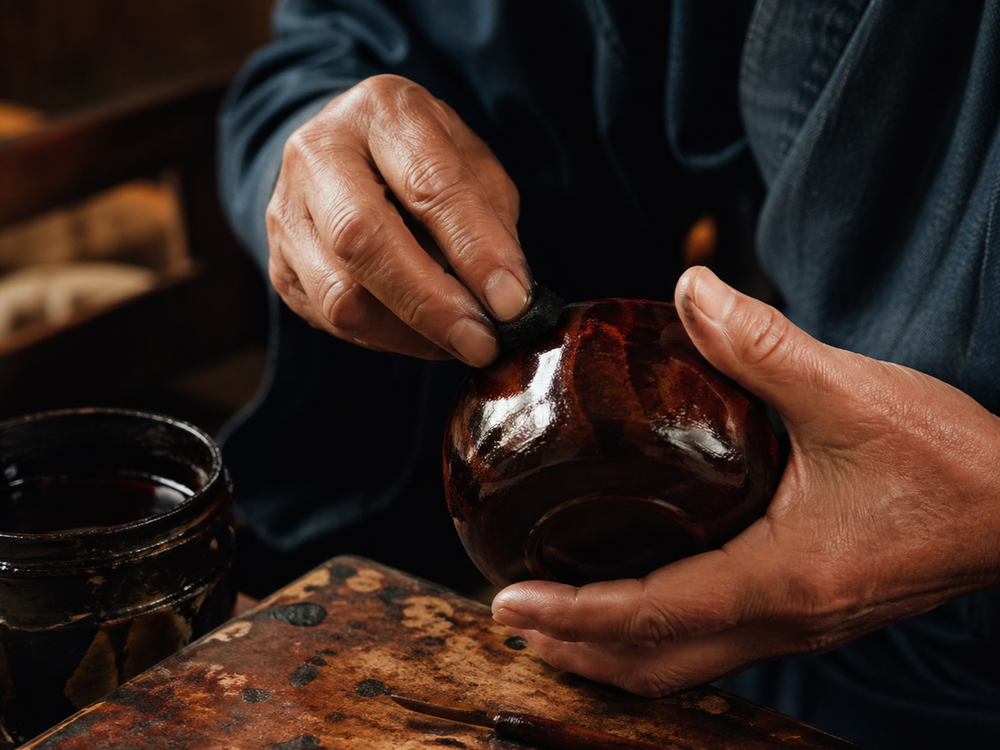
- China-based use cases: natural lacquer products, traditional incense, selected artisan-made craft products
- Status
- Version 1 public framing; phased implementation
- Lead entity
- World Intangible Cultural Heritage Federation (WICHF)
- Solution type
- Public-facing solution page
- Application focus
- China-based use cases: natural lacquer products, traditional incense, selected artisan-made craft products
- Status
- Version 1 public framing; phased implementation
Project content
A public-facing solution page led by the World Intangible Cultural Heritage Federation (WICHF).
Solution overview
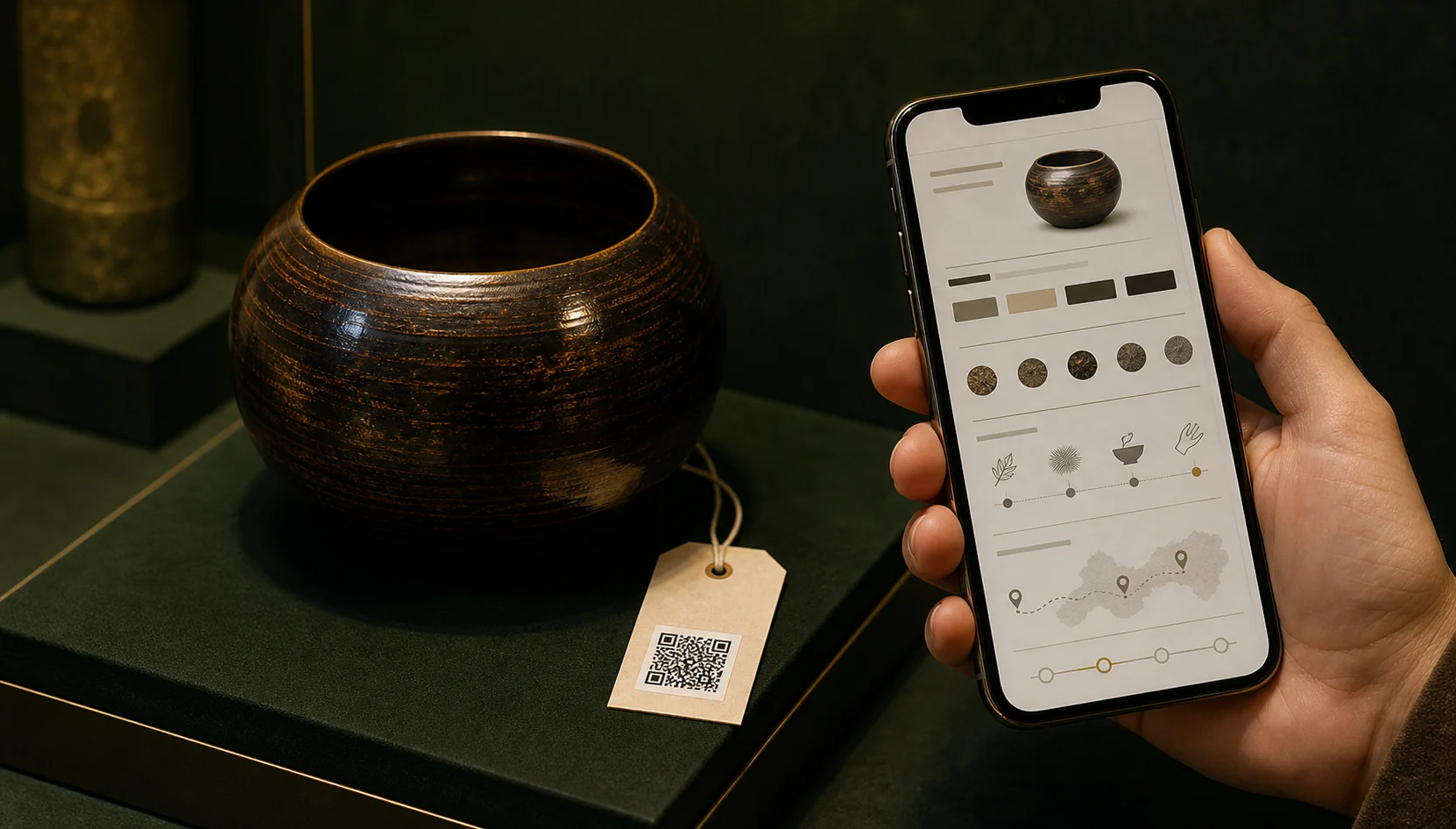
The WICHF QR-Based Traceability and Transparency Solution for Sustainable Traditional Materials and Craft Products is a public-facing solution initiative led by the World Intangible Cultural Heritage Federation (WICHF). The solution is designed to improve public understanding, traceability framing and structured transparency for selected traditional materials and craft products through QR-linked public pages, bilingual interpretation, product-linked records and responsible communication.
The page is not presented as a database entry, a one-time event or a commercial sales page. It is a stable, publicly accessible solution page and implementation framework intended to show what the solution is, why it matters, how it may be carried out, what kinds of public-facing outputs it plans to deliver over time, and where its compliance boundaries stand.
- Lead entity World Intangible Cultural Heritage Federation (WICHF)
- Solution type Public-facing solution page
- Application focus China-based use cases: natural lacquer products, traditional incense, selected artisan-made craft products
- Status Version 1 public framing; phased implementation
Why this solution matters
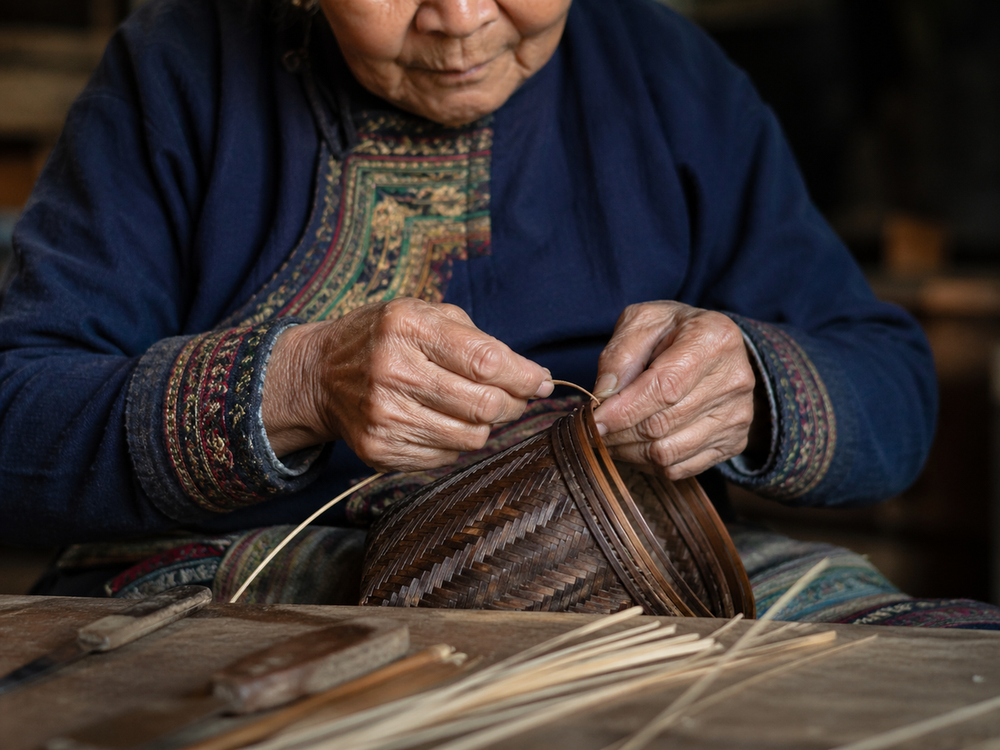
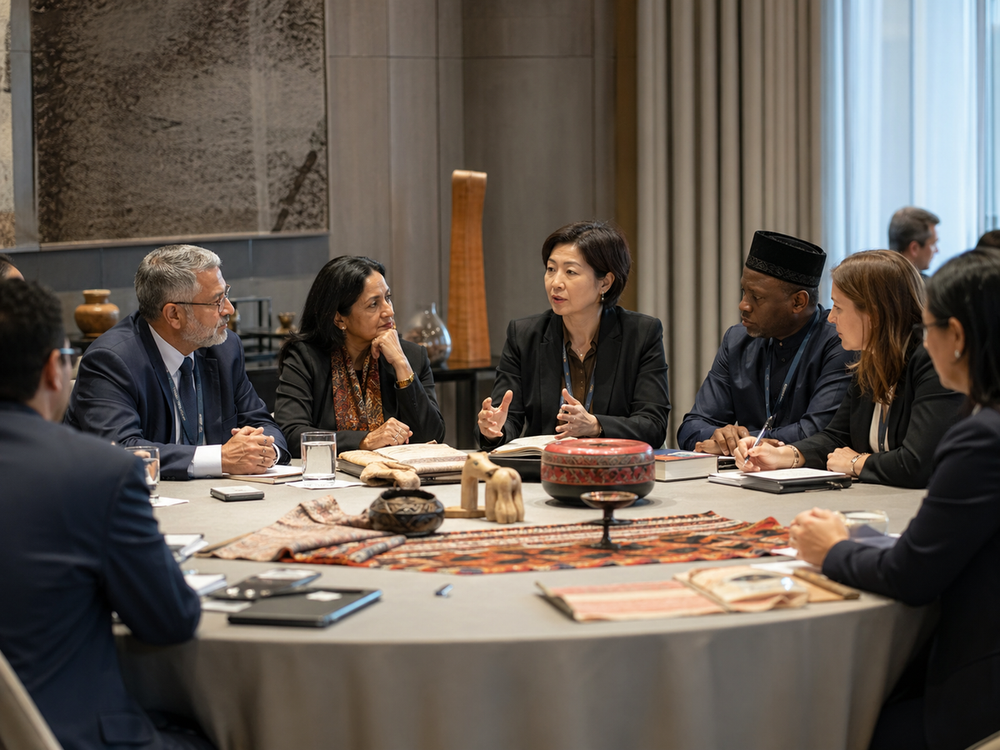
Sustainable traditional materials and artisan-made craft products often suffer from fragmented explanation, weak public-facing provenance structures, limited visibility for makers or culture bearers, and insufficient access to understandable background information for the public.
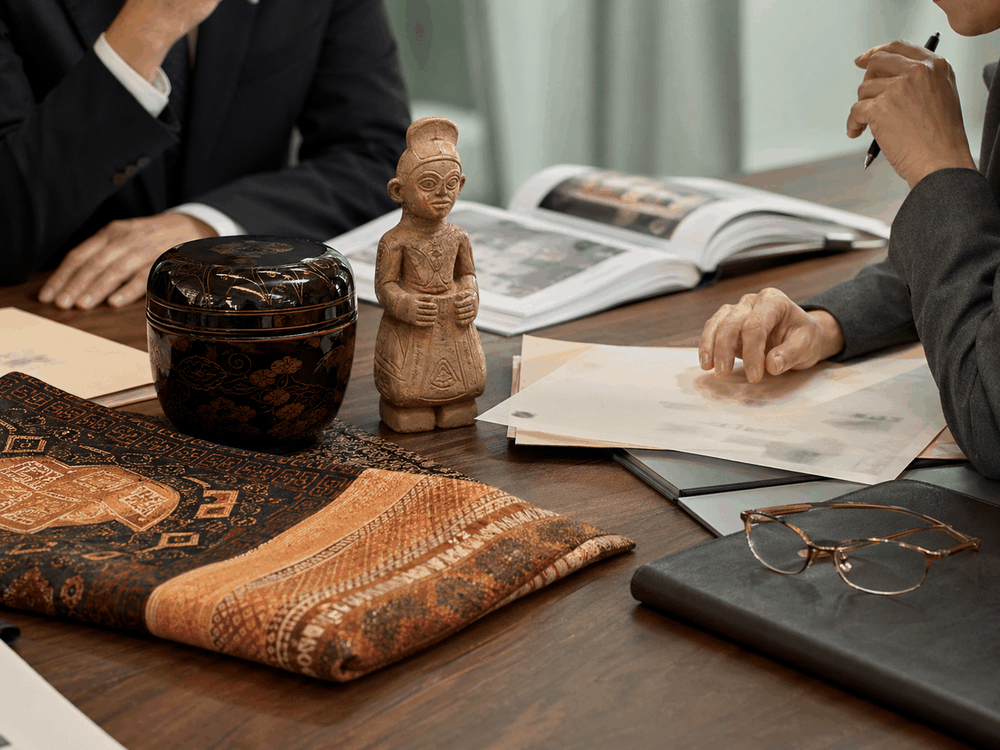
In many real-world contexts, a product may carry cultural, material and practitioner-related value, but the public-facing layer remains too thin: users may not understand what the material is, who made the product, how the record is structured, or what the claimed origin actually refers to. WICHF proposes this solution page to create a clearer public-facing framework for traceability communication, contextual interpretation and responsible transparency related to selected sustainable traditional materials and craft products.
Problem addressed
The solution addresses several practical communication and transparency problems:
- Public-facing product information is often too fragmented or too vague.
- Maker- or artisan-linked context is often missing or inconsistently presented.
- Traditional material systems may be discussed in abstract cultural language without a clear public-facing information structure.
- External viewers, reviewers or responsible buyers may have difficulty understanding provenance claims, context boundaries and what is actually being presented.
- Public communication around traditional materials can become sensationalized or overclaimed if not framed with restraint and structure.
Core objectives
- To create a clear bilingual public-facing structure for selected traditional materials and craft-product records.
- To improve public understanding of provenance, product context, maker-linked information and communication boundaries.
- To support more responsible transparency practices for selected sustainable traditional materials and artisan-made products.
- To build a stable public reference page that can support future dialogue, educational use and, where appropriate, possible external platform submission according to platform rules.
Application scope
This solution may cover selected areas such as product-level public records, artisan- or maker-linked profiles, material context notes, workshop or batch-level explanatory pages, QR-linked public verification pages, and bilingual explanatory content connected with selected sustainable traditional materials and craft products.
The solution does not claim to cover all traditional crafts, all materials or all regional product systems. It focuses on selected, clearly framed cases that can be presented responsibly, with attention to authorization, context, clarity and public educational value.
Who benefits
Primary beneficiaries include artisans, workshop-based practitioners, heritage-linked producers, project implementers, educators and public-facing institutions seeking a clearer and more responsible transparency structure.
Secondary beneficiaries include researchers, cultural audiences, responsible buyers, media readers and the broader public seeking reliable, accessible and non-sensational information about selected traditional materials and craft products in China.
How the solution works
The solution will be developed through a combination of information architecture, structured public-page design, bilingual editorial framing, QR-linked access and restrained public-interest communication.
WICHF will coordinate the solution structure, field design logic, editorial review, bilingual publication and website-based public presentation. Depending on the implementation scenario and data readiness, the solution may include product overview pages, maker-linked entries, material context notes, public verification pages, glossary-style explanatory content and periodic updates on actual progress.
Public-facing deliverables
WICHF plans to build the solution through the following public-facing outputs:
- One stable bilingual solution page on the WICHF website.
- A first group of selected scenario pages or use-case entries presented in a clear and publicly understandable format.
- Public-facing explanatory content on product context, material description, maker-linked information logic and traceability communication boundaries where appropriate.
- Public notes or simple field explanations that help visitors understand what the page shows and what it does not claim to certify.
- A small number of factual project updates as the solution progresses.
First-year roadmap and timeline
- Month 1-2 solution framing, page architecture and editorial structure preparation.
- Month 3-4 launch of the bilingual core solution pages and initial public overview content.
- Month 4-8 first round of selected scenario-page development, information-field structuring and bilingual public-page drafting.
- Month 6-10 initial public explanatory materials and selected implementation-facing content, depending on actual readiness and authorization.
- Month 9-12 publication of first factual updates and first-year public review of outputs.
Governance and roles
Lead entity: World Intangible Cultural Heritage Federation (WICHF).
WICHF is responsible for overall solution framing, content planning, editorial review, bilingual publication and public-facing website management.
Where relevant and feasible, the initiative may later work with artisans, workshop-based participants, educators, researchers, technical contributors or community-facing collaborators. No specific partner, advisor, funder, certifier or platform should be listed on the page unless separately confirmed by WICHF in writing.
Ethics, authorization and compliance
The solution must follow a restrained and factual communication standard. Public presentation should avoid exaggeration, unsupported authenticity claims, implied certification, implied regulatory approval, or any implication of official WIPO endorsement or WIPO GREEN acceptance.
Any product-related materials, images, names, artisan records, workshop details, QR-linked identifiers or other identifiable information should be handled with appropriate authorization, contextual accuracy and respect for intellectual property, image rights, data sensitivity and community dignity.
Where content is still in preparation, the page should say so clearly. The website must not fabricate completed deployments, signed partnerships, database acceptance, testing results, certification status or approvals that have not actually occurred.
About WICHF
The World Intangible Cultural Heritage Federation (WICHF) is the lead entity of this solution page. WICHF works on public-interest communication, knowledge organization, traceability-oriented structuring and international-facing heritage-related project development.
Official website: https://wichf.org/
About WICHF: https://wichf.org/en/about
Contact / collaboration note
For institutional dialogue, educational exchange or public-interest collaboration related to this solution, visitors should be directed to WICHF's existing official contact channel on the website.
No personal phone numbers, personal email addresses, unverified team names, buyer-facing order language or implied partnership invitations should be added unless WICHF separately confirms them.
Project Updates
This section is reserved for future factual updates, such as newly published scenario pages, public explanatory materials or implementation notes. Do not populate this block with temporary stand-in dates, invented activity summaries or simulated database status in version 1.
Current version: V1 · Page first published: 17 April 2026
Relationship
Relationship
WICHF leads the public-facing solution.
Current project page: Lead entity, phased implementation status and first-published date.
Contact
Contact about this project
Use the verified methods below for enquiries about this project.
Official references
Official references
Contact
Interested in working together?
Explore collaboration through verified WICHF contact channels.