
Transmission & Education
Capacity-Building Initiative on Traditional Knowledge Associated with Natural Lacquer Sap in China
Public education, youth learning and awareness-raising on traditional knowledge, plant-based material practices and biocultural heritage

Project snapshot
Project snapshot
- Project type
- Capacity-building initiative
- Status
- Ongoing
- Location
- China
- Period
- 2026-03-01 — 2027-03-31
- WICHF role
- WICHF is identified as the lead entity.
- Lead entity
- World Intangible Cultural Heritage Federation (WICHF)
- Geographic scope
- China
- Project type
- Public-interest capacity-building initiative
- Status / language
- On-going / English
- Lead entity
- World Intangible Cultural Heritage Federation (WICHF)
- Geographic scope
- China
- Primary language
- English
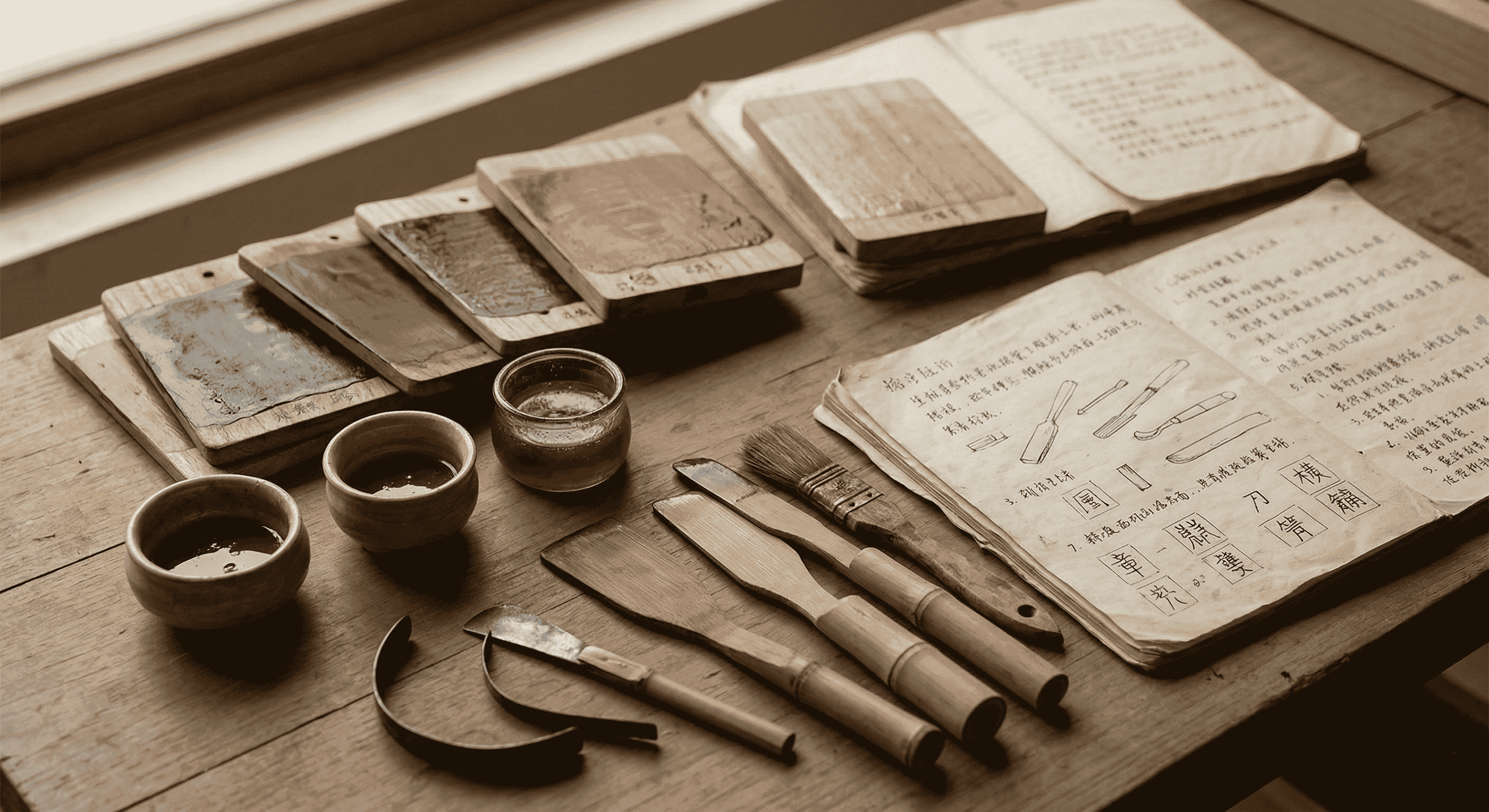
Project content
Public education, youth learning and awareness-raising on traditional knowledge, plant-based material practices and biocultural heritage
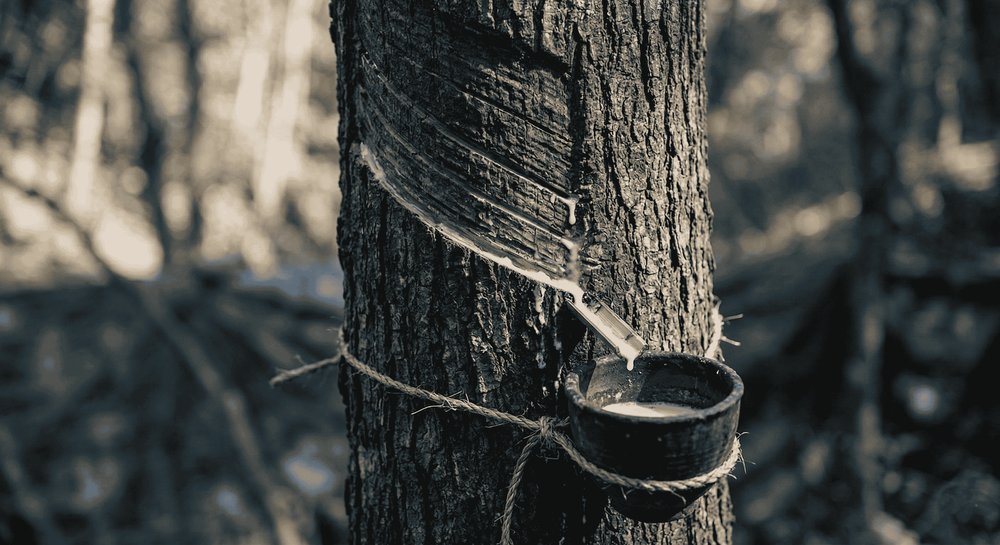
Initiative overview
This initiative is a public-interest educational and capacity-building project led by the World Intangible Cultural Heritage Federation (WICHF). It focuses on traditional knowledge associated with natural lacquer sap in China and seeks to make related material practices, learning content and public-facing interpretation more accessible in a clear, restrained and non-commercial form.
The initiative builds on WICHF’s already published educational resource on natural lacquer sap and extends that work into a broader public framework. Through a dedicated project page, downloadable materials and structured learning-oriented content, the initiative is designed to strengthen public understanding of traditional knowledge, plant-based material practices and biocultural heritage.
- Lead entity World Intangible Cultural Heritage Federation (WICHF)
- Geographic scope China
- Primary language English
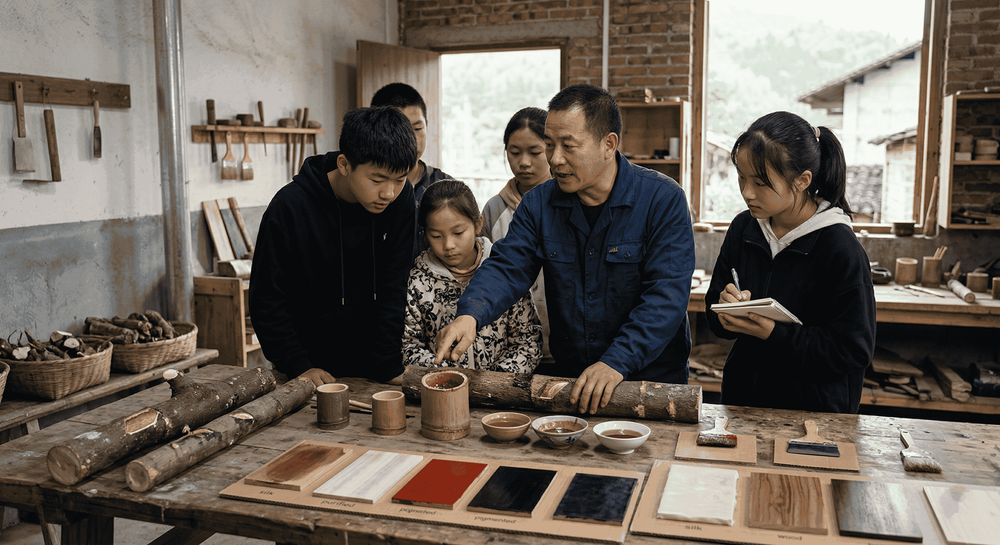
Why this initiative matters
Natural lacquer is not only a craft medium. It is also a plant-based material connected with specific ecological conditions, producing regions, workshop traditions and transmitted knowledge. The knowledge associated with natural lacquer sap includes harvesting practices, filtering and preparation methods, handling experience, material judgement and practical techniques.
These dimensions are often underexplained in general public communication. As a result, lacquer is frequently understood only as an artistic finish or decorative surface, while the knowledge systems that connect material, practice, ecology and transmission remain less visible.
This initiative responds to that gap. It is designed to support more careful public understanding of natural lacquer sap and related traditional knowledge, while also encouraging awareness of community participation, respectful documentation and fair and equitable benefit-sharing principles in contexts relevant to the Nagoya Protocol.
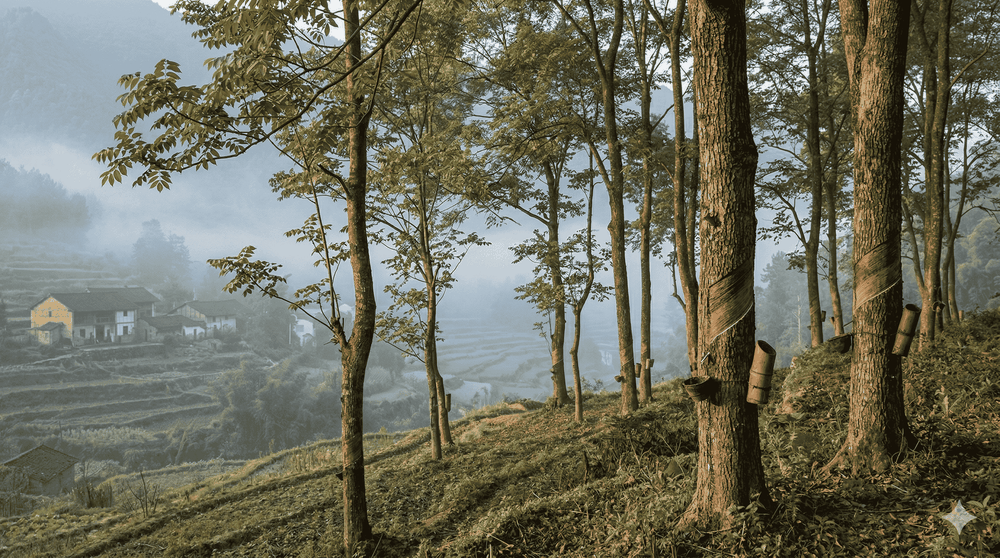
Objectives
- To improve public understanding of traditional knowledge associated with natural lacquer sap in China.
- To provide accessible educational materials for researchers, cultural practitioners, young people, educators and the broader public.
- To strengthen awareness of lacquer as a plant-based material practice connected with biocultural heritage.
- To support non-commercial learning, introductory interpretation and responsible public communication.
- To develop a small but clear public model linking project pages, downloadable resources and ABS-related information-sharing.
What WICHF will deliver
WICHF plans to develop this initiative through the following public-facing outputs:
- One English project page dedicated to the initiative.
- One Chinese mirror page for Chinese readers and internal dissemination.
- One downloadable CDI project brief in PDF format.
- Publicly accessible explanatory content connecting natural lacquer sap, traditional knowledge and biocultural heritage.
- Youth-facing introductory learning content embedded within the project structure.
- Clear linkage between this initiative and the already published natural lacquer educational resource.
Target groups and beneficiaries
Primary target groups include civil society organizations, researchers, cultural practitioners, young people, students, educators and the wider public.
The initiative is rooted in Chinese cases and materials while remaining accessible to readers, observers and potential collaborators from other regions. It is designed for introductory learning and public-interest knowledge sharing rather than technical specialization or commercial product promotion.
Main activity streams
The initiative is structured around four activity streams:
- Public project-page development and maintenance.
- Preparation and publication of a downloadable project brief.
- Youth-oriented and public-oriented introductory learning support.
- Ongoing curation and improvement of public materials related to natural lacquer sap, traditional knowledge and biocultural heritage.
These activities are designed to remain realistic, digitally manageable and publicly accessible.
Project method and implementation logic
The initiative combines desk research, editorial development, bilingual content preparation, project-page publication, downloadable documentation and structured public explanation.
WICHF will coordinate the overall project logic, content drafting, editorial review and digital publication. Depending on topic and availability, the initiative may also invite input, reference review or informal knowledge exchange from researchers, educators, cultural practitioners and other relevant contributors.
The initiative is designed as a staged public-interest project. It does not depend on a complex technical platform, and it is intended to remain manageable through clear digital outputs and periodic updates.
Relationship to the published VLR
This initiative builds directly upon WICHF’s published Virtual Library Resource on natural lacquer sap. The published VLR serves as a foundational educational resource within the broader initiative.
The CDI page should therefore make this relationship clear: the VLR is the resource record, while this initiative explains the broader project direction, target groups, planned outputs and continued public-interest educational work built around that resource.
Timeline
- March-April 2026 Project page framework and project brief preparation
- April-June 2026 Public release of the English project page and CDI PDF
- July-September 2026 Addition of youth-facing and public-facing explanatory content
- October-December 2026 Content refinement and project-page updates
- January-March 2027 Consolidation, public resource maintenance and stage review
About the lead entity
The World Intangible Cultural Heritage Federation (WICHF) is the lead entity of this initiative. WICHF works on cultural heritage communication, knowledge organization and public-interest projects related to intangible cultural heritage and related international-facing themes.
Official website: https://wichf.org/ About WICHF: https://wichf.org/en/about
Important note / compliance boundary
This initiative is independently developed by World Intangible Cultural Heritage Federation (WICHF). It is presented as a public-interest educational and capacity-building initiative.
It should not be interpreted as an official CBD partnership, UN endorsement, government authorization or legal certification unless such status is separately confirmed in writing.
The project does not claim ownership over traditional knowledge held by communities or practitioners. Any future use beyond educational and non-commercial purposes should respect applicable law, community participation and fair and equitable benefit-sharing principles.
Download and related links
Suggested visible links at the bottom of the page:
Relationship
Relationship
WICHF is identified as the lead entity.
Current project page: Status / language, lead entity and dated implementation timeline.
Downloads and resources
Downloads and resources
Official references
Official references
Contact
Interested in working together?
Explore collaboration through verified WICHF contact channels.